
The Feline Innovators of Environmental Design: Cats and Their Unseen Impact on Interior Spaces
- No Comments
As the world becomes increasingly aware of the importance of harmonious living environments, a surprising influencer emerges in the field of environmental design—the domestic cat. Known for their keen sense of comfort and spatial awareness, cats are quietly shaping the way we think about interior spaces and design.
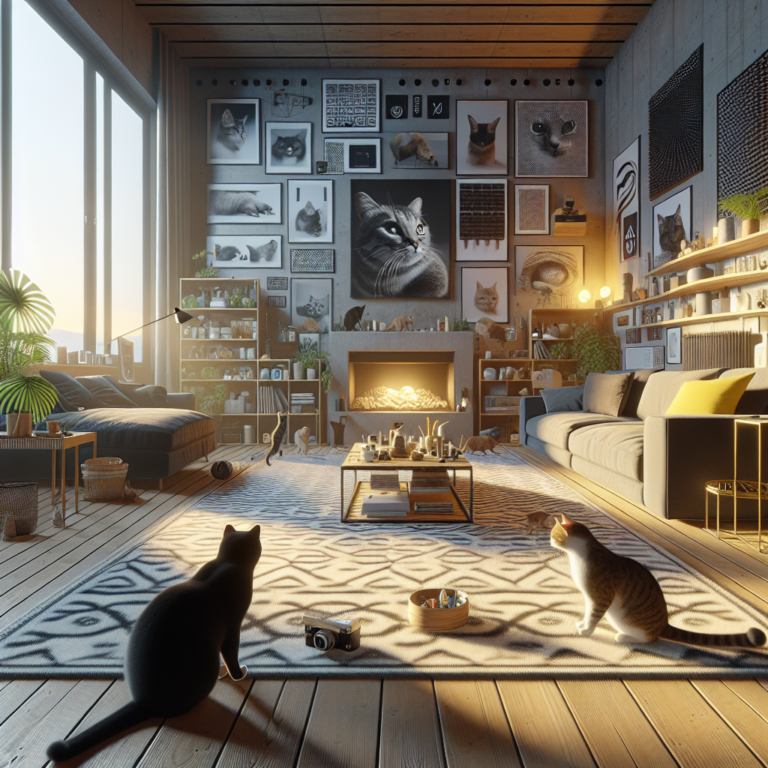
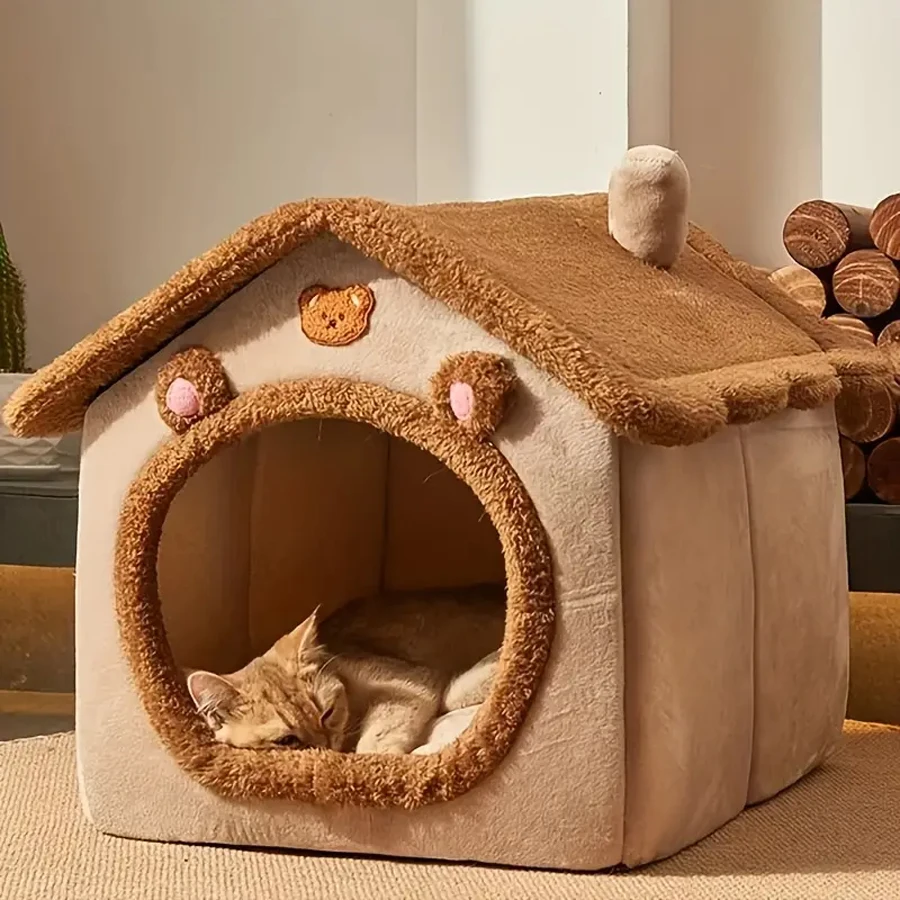
Cats are natural connoisseurs of their environments, often seeking out the most comfortable and strategic spots within a home. This behavior has not gone unnoticed by designers and architects, who are beginning to draw inspiration from feline habits to create more livable and aesthetically pleasing spaces. The pursuit of optimal thermal comfort, for instance, is something that cats intuitively excel at, often gravitating towards sunlit areas or cozy, warm nooks. Designers have taken a cue from this, increasingly incorporating features like large windows and sunrooms into homes to maximize natural light and warmth.
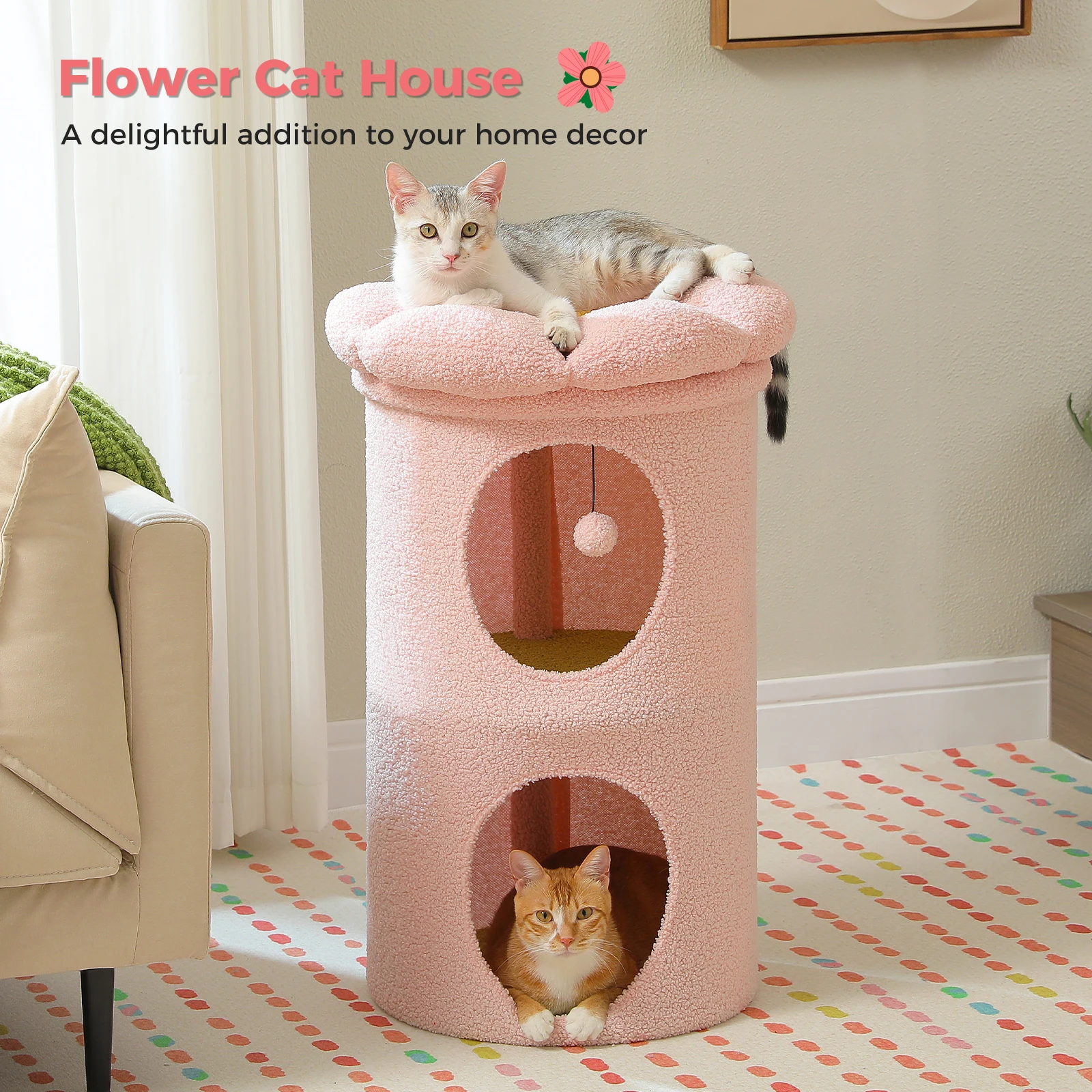
Moreover, cats are masters of vertical space utilization, demonstrating a preference for high perches and elevated platforms. This inclination has inspired the integration of multi-level designs and modular furniture that not only cater to feline frolics but also enhance the spatial dynamics for human inhabitants. Shelving units, staircases, and lofted sleeping areas are becoming more common in modern interiors, reflecting the feline influence on maximizing space in innovative ways.
The concept of biophilic design, which focuses on connecting building occupants more closely to nature, has also been enriched by observing cats. Their intrinsic need to engage with natural elements—whether it’s a plant to perch beside or a window with a view of the outdoors—has encouraged designers to blend indoor and outdoor environments seamlessly. Indoor gardens, natural materials, and open-air designs are now sought-after features that offer both aesthetic appeal and psychological comfort, thanks in part to our feline friends’ preferences.
Additionally, cats possess an acute sensitivity to sound and vibration, aspects of the environment that are crucial in creating serene and tranquil living spaces. This has led to a greater emphasis on acoustics and soundproofing in home design. By minimizing noise pollution, homes can emulate the peaceful and secure environments that cats naturally seek, enhancing human well-being in the process.
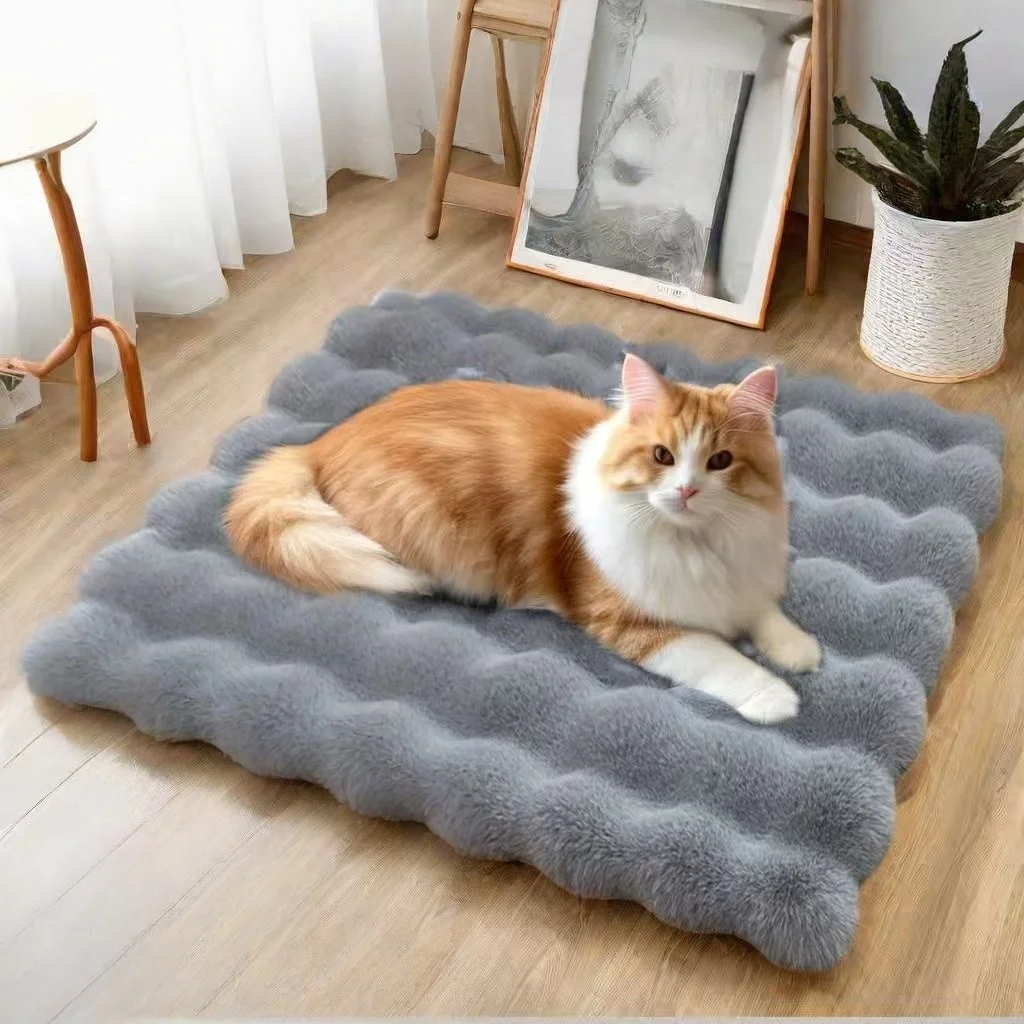
In the realm of color theory, cats have indirectly influenced the palette choices in interior design. Observations of cats lounging in areas with particular color schemes have led designers to consider the calming effects of certain hues, such as soft neutrals and pastels, which are now frequently used to create soothing atmospheres within homes.
As we continue to explore the intersection between animal behavior and human-centric design, cats remain at the forefront of this creative dialogue. Their subtle yet profound influence on environmental design challenges us to reconsider traditional approaches, promoting interiors that are not only functional and beautiful but also aligned with the innate needs of both the human and feline occupants. In this evolving field, the cat proves to be an understated yet influential innovator, guiding us towards more harmonious and thoughtful living spaces.

As the world becomes increasingly aware of the importance of harmonious living environments, a surprising influencer emerges in the field of environmental design—the domestic cat. Known for their keen sense of comfort and spatial awareness, cats are quietly shaping the way we think about interior spaces and design.
Cats are natural connoisseurs of their environments, often seeking out the most comfortable and strategic spots within a home. This behavior has not gone unnoticed by designers and architects, who are beginning to draw inspiration from feline habits to create more livable and aesthetically pleasing spaces. The pursuit of optimal thermal comfort, for instance, is something that cats intuitively excel at, often gravitating towards sunlit areas or cozy, warm nooks. Designers have taken a cue from this, increasingly incorporating features like large windows and sunrooms into homes to maximize natural light and warmth.
Moreover, cats are masters of vertical space utilization, demonstrating a preference for high perches and elevated platforms. This inclination has inspired the integration of multi-level designs and modular furniture that not only cater to feline frolics but also enhance the spatial dynamics for human inhabitants. Shelving units, staircases, and lofted sleeping areas are becoming more common in modern interiors, reflecting the feline influence on maximizing space in innovative ways.
The concept of biophilic design, which focuses on connecting building occupants more closely to nature, has also been enriched by observing cats. Their intrinsic need to engage with natural elements—whether it’s a plant to perch beside or a window with a view of the outdoors—has encouraged designers to blend indoor and outdoor environments seamlessly. Indoor gardens, natural materials, and open-air designs are now sought-after features that offer both aesthetic appeal and psychological comfort, thanks in part to our feline friends’ preferences.
Additionally, cats possess an acute sensitivity to sound and vibration, aspects of the environment that are crucial in creating serene and tranquil living spaces. This has led to a greater emphasis on acoustics and soundproofing in home design. By minimizing noise pollution, homes can emulate the peaceful and secure environments that cats naturally seek, enhancing human well-being in the process.
In the realm of color theory, cats have indirectly influenced the palette choices in interior design. Observations of cats lounging in areas with particular color schemes have led designers to consider the calming effects of certain hues, such as soft neutrals and pastels, which are now frequently used to create soothing atmospheres within homes.
As we continue to explore the intersection between animal behavior and human-centric design, cats remain at the forefront of this creative dialogue. Their subtle yet profound influence on environmental design challenges us to reconsider traditional approaches, promoting interiors that are not only functional and beautiful but also aligned with the innate needs of both the human and feline occupants. In this evolving field, the cat proves to be an understated yet influential innovator, guiding us towards more harmonious and thoughtful living spaces.