
The Feline Innovators of Music: Cats and Their Subtle Influence on Soundscapes
- 5 Comments
In a world where the harmony of music captivates and inspires, a surprising muse has been quietly influencing the soundscapes we experience today: the domestic cat. While cats are often associated with the quiet patter of paws and the gentle purrs that soothe pet owners, their influence on the world of music extends far beyond these serene sounds. Musicians and composers throughout history have drawn inspiration from their feline companions, leading to an intriguing and often overlooked intersection between cats and music.
The enigmatic nature of cats has served as a muse for composers from Claude Debussy to Maurice Ravel. Debussy, known for his impressionist compositions, was an avid cat lover. His compositions, characterized by their ethereal and dreamlike qualities, often reflect the mysterious nature of his feline companions. Similarly, Ravel’s “Histoires naturelles” features a whimsical musical portrayal of a cat, capturing the playful and curious spirit that cat owners are so familiar with.
Beyond classical compositions, cats have also left their paw prints on the world of modern music. Notably, Freddie Mercury, the legendary frontman of Queen, was famously fond of his feline friends. His cats were often present during recordings, and Mercury even dedicated the song “Delilah” to one of his beloved cats. This blend of feline affection and musical creativity underscores how cats can permeate the fabric of artistic expression in subtle yet profound ways.
The rhythmic movements of cats have also inspired the beats and grooves of various genres. Jazz musicians, in particular, have often looked to the fluidity and grace of cats. The syncopated rhythms and improvisational nature of jazz seem to mirror the unpredictable and independent spirit of these animals. Cat-like agility and responsiveness can be heard in the playful riffs of saxophones and the smooth glide of bass lines, creating a soundscape that resonates with the feline essence.
Furthermore, the digital age has seen an increase in the cat’s role as an auditory influencer. The internet is rife with videos of cats “playing” the piano, and these viral sensations have sparked a new wave of musical inspiration. In a phenomenon that blends humor with creativity, these videos have led to the creation of quirky compositions that incorporate the notes struck by curious feline paws. This has further cemented the cat’s position as an unexpected contributor to the world of sound.
In addition to inspiring composition, cats have also played a role in the production of music. Studio environments, often bustling with activity, are transformed by the calming presence of a cat. Musicians and producers alike have reported that having a cat nearby can create a relaxed atmosphere conducive to creativity and focus. The gentle purring of a cat can be a natural form of white noise, helping artists concentrate on their work while providing a comforting presence.
As we continue to explore the vast domain of music, it becomes increasingly clear that the contributions of our feline friends extend far beyond companionship. Whether serving as muses for timeless compositions, providing rhythmic inspiration, or simply offering a soothing presence in the studio, cats have quietly shaped the sounds that resonate with our hearts and minds. As we listen to the melodies and harmonies crafted by human hands, let us remember the silent yet powerful influence of cats, whose grace and mystery continue to inspire musicians across the globe.
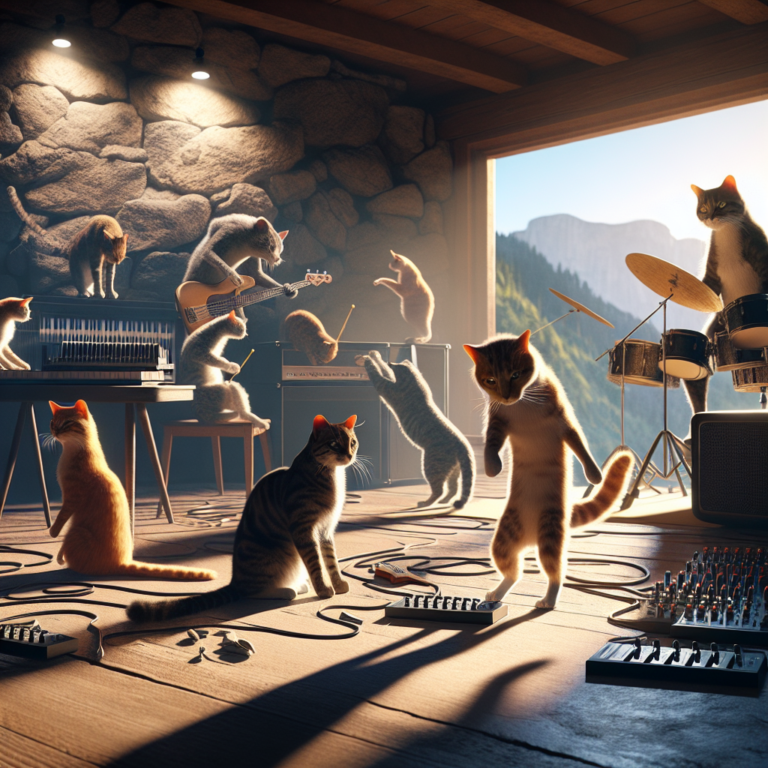



In a world where the harmony of music captivates and inspires, a surprising muse has been quietly influencing the soundscapes we experience today: the domestic cat. While cats are often associated with the quiet patter of paws and the gentle purrs that soothe pet owners, their influence on the world of music extends far beyond these serene sounds. Musicians and composers throughout history have drawn inspiration from their feline companions, leading to an intriguing and often overlooked intersection between cats and music.
The enigmatic nature of cats has served as a muse for composers from Claude Debussy to Maurice Ravel. Debussy, known for his impressionist compositions, was an avid cat lover. His compositions, characterized by their ethereal and dreamlike qualities, often reflect the mysterious nature of his feline companions. Similarly, Ravel’s “Histoires naturelles” features a whimsical musical portrayal of a cat, capturing the playful and curious spirit that cat owners are so familiar with.
Beyond classical compositions, cats have also left their paw prints on the world of modern music. Notably, Freddie Mercury, the legendary frontman of Queen, was famously fond of his feline friends. His cats were often present during recordings, and Mercury even dedicated the song “Delilah” to one of his beloved cats. This blend of feline affection and musical creativity underscores how cats can permeate the fabric of artistic expression in subtle yet profound ways.
The rhythmic movements of cats have also inspired the beats and grooves of various genres. Jazz musicians, in particular, have often looked to the fluidity and grace of cats. The syncopated rhythms and improvisational nature of jazz seem to mirror the unpredictable and independent spirit of these animals. Cat-like agility and responsiveness can be heard in the playful riffs of saxophones and the smooth glide of bass lines, creating a soundscape that resonates with the feline essence.
Furthermore, the digital age has seen an increase in the cat’s role as an auditory influencer. The internet is rife with videos of cats “playing” the piano, and these viral sensations have sparked a new wave of musical inspiration. In a phenomenon that blends humor with creativity, these videos have led to the creation of quirky compositions that incorporate the notes struck by curious feline paws. This has further cemented the cat’s position as an unexpected contributor to the world of sound.
In addition to inspiring composition, cats have also played a role in the production of music. Studio environments, often bustling with activity, are transformed by the calming presence of a cat. Musicians and producers alike have reported that having a cat nearby can create a relaxed atmosphere conducive to creativity and focus. The gentle purring of a cat can be a natural form of white noise, helping artists concentrate on their work while providing a comforting presence.
As we continue to explore the vast domain of music, it becomes increasingly clear that the contributions of our feline friends extend far beyond companionship. Whether serving as muses for timeless compositions, providing rhythmic inspiration, or simply offering a soothing presence in the studio, cats have quietly shaped the sounds that resonate with our hearts and minds. As we listen to the melodies and harmonies crafted by human hands, let us remember the silent yet powerful influence of cats, whose grace and mystery continue to inspire musicians across the globe.

5 thoughts on “The Feline Innovators of Music: Cats and Their Subtle Influence on Soundscapes”
This post beautifully highlights the unique and inspiring relationship between cats and music.
This post beautifully highlights the unique and inspiring connection between cats and the world of music.
This post beautifully highlights the unexpected yet delightful connection between cats and the world of music.
This intriguing exploration highlights the delightful connection between cats and their unexpected impact on musical creativity.
This post offers an interesting perspective on how cats have influenced music throughout history.