
The Feline Innovators of Sleep Science: Cats and Their Surprising Influence on Restful Routines
- 8 Comments
In the realm of sleep science, researchers are uncovering the unexpected ways in which cats are influencing our understanding of restful routines and sleep patterns. While these enigmatic creatures are often associated with their notorious nocturnal antics, it turns out that their impact on human sleep is more profound and beneficial than previously imagined.
Cats, with their seemingly effortless ability to slip into a deep slumber at any given moment, have become unwitting subjects of study in the field of sleep science. Their sleep patterns offer valuable insights into the mysteries of rest, as they exhibit a unique sleep-wake cycle that differs significantly from humans. Typically, cats can sleep anywhere from 12 to 16 hours a day, often in short bursts that allow them to remain alert and ready for action. This polyphasic sleep pattern, characterized by multiple periods of sleep throughout a 24-hour cycle, is being examined for its potential applications in improving human sleep habits.
Researchers at leading sleep laboratories have been observing feline sleep behavior to explore how incorporating similar patterns could benefit human restfulness. The idea of segmented sleep, where sleep is divided into shorter, more frequent intervals, is gaining traction as a potential solution for those struggling with insomnia or erratic sleep schedules. By studying the natural rest cycles of cats, scientists are developing strategies that could lead to more flexible sleep regimens tailored to individual needs, promoting better overall health and well-being.
Moreover, the presence of cats in the bedroom has been shown to have calming effects that facilitate relaxation and stress reduction, crucial components for a good night’s sleep. The rhythmic purring of a cat, which ranges from 25 to 150 Hertz, has been found to mimic frequencies used in therapeutic sound healing, fostering a soothing environment conducive to sleep. This feline-generated sound therapy is being investigated for its potential to aid people suffering from sleep disorders by promoting a tranquil atmosphere that encourages the onset of sleep.
In addition to their calming presence, cats have been observed to influence human sleep hygiene practices positively. Their consistent routines of sleep, grooming, and play serve as a gentle reminder of the importance of establishing and maintaining regular bedtime rituals. These routines can help signal the body that it is time to wind down, thus enhancing the quality of sleep. Cat owners often report feeling more attuned to their own sleep needs, mirroring the patterns and habits of their feline companions.
Interestingly, the impact of cats on sleep extends beyond the confines of the home. Sleep researchers are also examining how the study of feline genetics could unlock new understandings of sleep disorders. Certain breeds of cats are being studied for their genetic predispositions to deep and restful sleep, with the aim of identifying potential genetic markers that could be applied in human sleep studies.
As the field of sleep science continues to evolve, the role of cats as inadvertent contributors to this research offers a fascinating glimpse into the interconnectedness of species and the potential for cross-species learning. While cats may never fully abandon their nocturnal adventures, their influence on the human quest for restful sleep is undeniable. As we continue to explore the nuances of sleep, these feline innovators are quietly guiding the way to a better understanding of one of life’s most essential functions: the art of a good night’s rest.




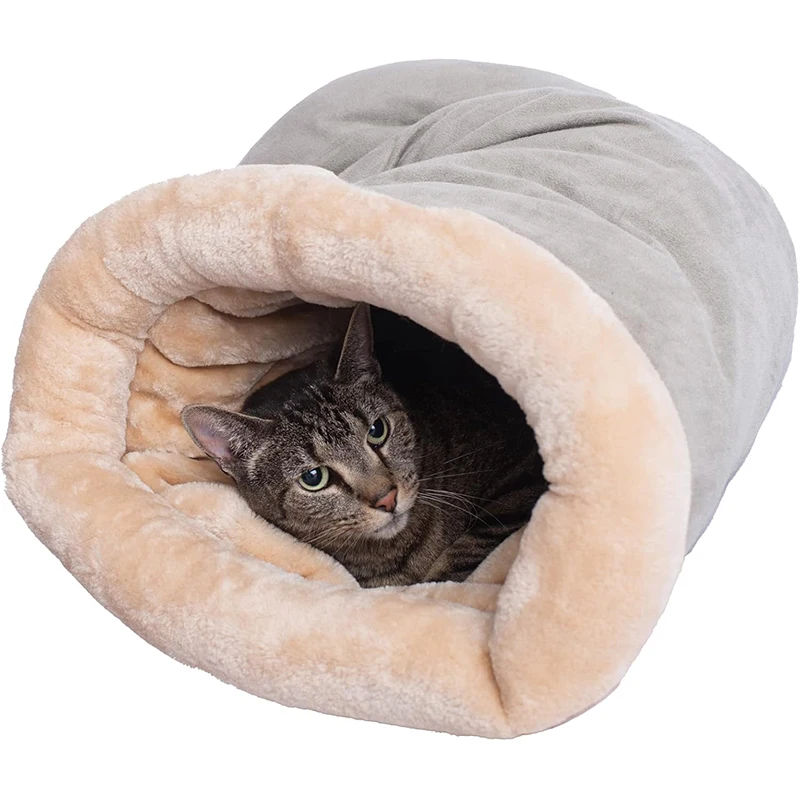
In the realm of sleep science, researchers are uncovering the unexpected ways in which cats are influencing our understanding of restful routines and sleep patterns. While these enigmatic creatures are often associated with their notorious nocturnal antics, it turns out that their impact on human sleep is more profound and beneficial than previously imagined.
Cats, with their seemingly effortless ability to slip into a deep slumber at any given moment, have become unwitting subjects of study in the field of sleep science. Their sleep patterns offer valuable insights into the mysteries of rest, as they exhibit a unique sleep-wake cycle that differs significantly from humans. Typically, cats can sleep anywhere from 12 to 16 hours a day, often in short bursts that allow them to remain alert and ready for action. This polyphasic sleep pattern, characterized by multiple periods of sleep throughout a 24-hour cycle, is being examined for its potential applications in improving human sleep habits.
Researchers at leading sleep laboratories have been observing feline sleep behavior to explore how incorporating similar patterns could benefit human restfulness. The idea of segmented sleep, where sleep is divided into shorter, more frequent intervals, is gaining traction as a potential solution for those struggling with insomnia or erratic sleep schedules. By studying the natural rest cycles of cats, scientists are developing strategies that could lead to more flexible sleep regimens tailored to individual needs, promoting better overall health and well-being.
Moreover, the presence of cats in the bedroom has been shown to have calming effects that facilitate relaxation and stress reduction, crucial components for a good night’s sleep. The rhythmic purring of a cat, which ranges from 25 to 150 Hertz, has been found to mimic frequencies used in therapeutic sound healing, fostering a soothing environment conducive to sleep. This feline-generated sound therapy is being investigated for its potential to aid people suffering from sleep disorders by promoting a tranquil atmosphere that encourages the onset of sleep.
In addition to their calming presence, cats have been observed to influence human sleep hygiene practices positively. Their consistent routines of sleep, grooming, and play serve as a gentle reminder of the importance of establishing and maintaining regular bedtime rituals. These routines can help signal the body that it is time to wind down, thus enhancing the quality of sleep. Cat owners often report feeling more attuned to their own sleep needs, mirroring the patterns and habits of their feline companions.
Interestingly, the impact of cats on sleep extends beyond the confines of the home. Sleep researchers are also examining how the study of feline genetics could unlock new understandings of sleep disorders. Certain breeds of cats are being studied for their genetic predispositions to deep and restful sleep, with the aim of identifying potential genetic markers that could be applied in human sleep studies.
As the field of sleep science continues to evolve, the role of cats as inadvertent contributors to this research offers a fascinating glimpse into the interconnectedness of species and the potential for cross-species learning. While cats may never fully abandon their nocturnal adventures, their influence on the human quest for restful sleep is undeniable. As we continue to explore the nuances of sleep, these feline innovators are quietly guiding the way to a better understanding of one of life’s most essential functions: the art of a good night’s rest.

8 thoughts on “The Feline Innovators of Sleep Science: Cats and Their Surprising Influence on Restful Routines”
This article offers fascinating insights into how cats’ natural behaviors are inspiring new approaches to improving human sleep patterns.
It’s interesting to consider how studying the sleep patterns of cats can provide potential strategies for addressing human sleep challenges. The idea of segmented sleep and the calming effects of a cat’s presence in the bedroom are particularly intriguing. These could offer alternative approaches for those dealing with insomnia or irregular sleep schedules. Observing the natural rest cycles of cats might indeed inspire more personalized sleep regimens. Additionally, the exploration of feline genetics in relation to sleep could open up new avenues for understanding sleep disorders. It’s a unique perspective on how insights from the animal kingdom can contribute to human well-being.
It’s fascinating how the study of cats’ sleep patterns could lead to innovative solutions for human sleep issues. The concepts of segmented sleep and the calming presence of cats are indeed promising avenues to explore. The potential of incorporating insights from feline genetics into understanding sleep disorders also adds an exciting dimension to sleep research. The interconnectedness between our species and the potential benefits are truly remarkable.
This article beautifully highlights the unexpected ways cats contribute to advancing our understanding of restful sleep.
This article offers intriguing insights into how cats contribute to our understanding of sleep science and improving rest routines.
This article provides an interesting perspective on how cats can contribute to our understanding of sleep science and human rest patterns.
This intriguing exploration of cats’ impact on sleep science highlights their unexpected role in enhancing our understanding of restful routines.
This article wonderfully highlights the fascinating ways cats contribute to our understanding of sleep science and improving restfulness.