
The Feline Innovators of Environmental Conservation: Cats and Their Surprising Role in Habitat Protection
- One Comment
In the realm of environmental conservation, cats have long been misunderstood and often cast as villains in the broader narrative of habitat destruction and wildlife endangerment. However, recent studies and initiatives are beginning to illuminate the unexpected yet significant role that domesticated and feral cats can play in the protection of natural environments and biodiversity.
The traditional view has often focused on the predatory nature of cats, particularly feral populations, and their impact on local wildlife. Yet, innovative conservationists are now exploring ways to harness the natural behaviors of cats in support of ecological balance. One such initiative is the use of cats in rodent control in agricultural areas and urban settings, where their presence can reduce the need for chemical pesticides, thereby decreasing the environmental footprint of farming and urban development.
In certain regions, such as in parts of Africa and Asia, feral cats are being integrated into controlled environments where their hunting instincts are used to manage populations of invasive species that threaten local ecosystems. This method requires careful monitoring and management to ensure that the cats do not further disrupt the delicate balance of native species.
Moreover, cats are being celebrated for their role in raising awareness about environmental issues. Social media platforms have become a powerful tool for conservationists, and the internet’s love for feline content is being leveraged to spread messages of wildlife protection and habitat conservation. Campaigns featuring cats as ambassadors of the environment have proven particularly effective in engaging younger audiences, fostering a new generation of eco-conscious individuals.
Cat owners are also being encouraged to participate in conservation efforts by keeping their pets indoors or within secured outdoor enclosures, known as “catios.” This movement not only protects wildlife but also enhances the safety and well-being of the cats themselves.
Furthermore, research into the behavioral patterns of cats is contributing to broader ecological studies. Understanding how cats interact with their environment, including their territorial behaviors and hunting instincts, provides valuable insights into the management of other predator-prey dynamics within ecosystems.
While there are certainly challenges in balancing the role of cats within environmental conservation, the potential benefits are significant. By shifting the narrative from one of conflict to cooperation, conservationists are paving the way for a more harmonious relationship between humans, cats, and the natural world. As this field of study continues to evolve, it is becoming increasingly clear that cats, with their enigmatic nature and widespread appeal, possess an untapped potential to aid in the preservation of our planet’s precious habitats.


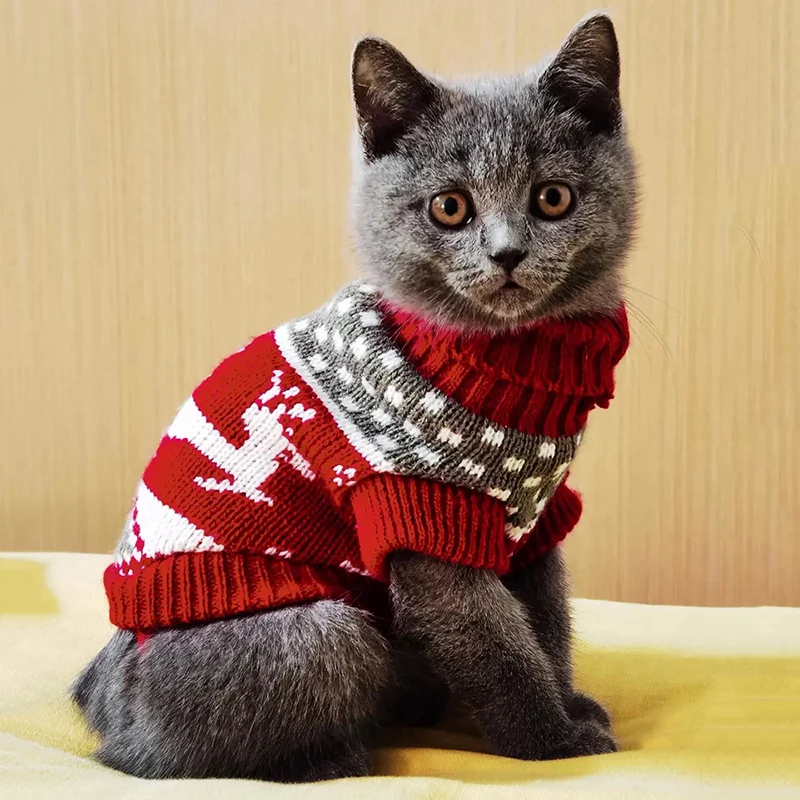






In the realm of environmental conservation, cats have long been misunderstood and often cast as villains in the broader narrative of habitat destruction and wildlife endangerment. However, recent studies and initiatives are beginning to illuminate the unexpected yet significant role that domesticated and feral cats can play in the protection of natural environments and biodiversity.
The traditional view has often focused on the predatory nature of cats, particularly feral populations, and their impact on local wildlife. Yet, innovative conservationists are now exploring ways to harness the natural behaviors of cats in support of ecological balance. One such initiative is the use of cats in rodent control in agricultural areas and urban settings, where their presence can reduce the need for chemical pesticides, thereby decreasing the environmental footprint of farming and urban development.
In certain regions, such as in parts of Africa and Asia, feral cats are being integrated into controlled environments where their hunting instincts are used to manage populations of invasive species that threaten local ecosystems. This method requires careful monitoring and management to ensure that the cats do not further disrupt the delicate balance of native species.
Moreover, cats are being celebrated for their role in raising awareness about environmental issues. Social media platforms have become a powerful tool for conservationists, and the internet’s love for feline content is being leveraged to spread messages of wildlife protection and habitat conservation. Campaigns featuring cats as ambassadors of the environment have proven particularly effective in engaging younger audiences, fostering a new generation of eco-conscious individuals.
Cat owners are also being encouraged to participate in conservation efforts by keeping their pets indoors or within secured outdoor enclosures, known as “catios.” This movement not only protects wildlife but also enhances the safety and well-being of the cats themselves.
Furthermore, research into the behavioral patterns of cats is contributing to broader ecological studies. Understanding how cats interact with their environment, including their territorial behaviors and hunting instincts, provides valuable insights into the management of other predator-prey dynamics within ecosystems.
While there are certainly challenges in balancing the role of cats within environmental conservation, the potential benefits are significant. By shifting the narrative from one of conflict to cooperation, conservationists are paving the way for a more harmonious relationship between humans, cats, and the natural world. As this field of study continues to evolve, it is becoming increasingly clear that cats, with their enigmatic nature and widespread appeal, possess an untapped potential to aid in the preservation of our planet’s precious habitats.

1 thought on “The Feline Innovators of Environmental Conservation: Cats and Their Surprising Role in Habitat Protection”
It’s fascinating to see cats being recognized for their positive impact on the environment and conservation efforts.