
The Feline Innovators of Agriculture: Cats and Their Surprising Role in Farming Practices
- 10 Comments
In the ever-evolving landscape of agriculture, cats have emerged as unexpected allies to farmers around the globe. While the feline presence on farms has been acknowledged for centuries, recent studies are shedding light on how these animals contribute to modern agricultural practices in ways that extend far beyond their traditional role as mere pest controllers.
Historically, cats have been cherished on farms for their natural hunting instincts, which help keep rodent populations in check. These rodents, including rats and mice, are notorious for damaging crops and contaminating stored grains, leading to significant economic losses for farmers. By controlling these pests, cats have indirectly safeguarded food supplies and contributed to the stability of agricultural economies. However, the contemporary contribution of cats to farming is taking on a new dimension, as they are increasingly being recognized for their influence on sustainable farming practices and ecosystem management.
One of the key areas where cats are making a difference is in the promotion of biodiversity. Farms with resident cats tend to experience lower populations of small mammalian pests, which in turn helps maintain a balance in the local ecosystem. This balance is crucial for the health of the soil and the overall productivity of the farm. By naturally regulating pest populations, cats reduce the need for chemical pesticides, which can be harmful to both the environment and human health. As a result, farms with feline inhabitants are often able to achieve higher levels of sustainability, aligning with the growing trend of eco-friendly agricultural practices.
Moreover, cats are being observed for their potential role in integrated pest management (IPM) strategies. IPM is an environmentally sensitive approach to pest management that relies on a combination of practices to control pest populations. In this context, cats serve as a natural, non-toxic component of the IPM toolkit. Farmers are beginning to appreciate the value of integrating cats into their pest management systems, recognizing that these animals can complement other methods such as crop rotation, biological pest controls, and mechanical barriers.
Beyond their impact on pest control and ecosystem balance, cats are also contributing to the social and psychological aspects of farm life. Many farmers report that having cats around provides a sense of companionship and emotional support. These animals often become beloved members of the farming community, offering comfort and reducing stress levels among farmers, who frequently work long and demanding hours in isolation.
Researchers from agricultural universities are increasingly interested in studying the nuances of the cat-farmer relationship, aiming to quantify the economic and environmental benefits that cats provide. Preliminary findings suggest that farms with stable cat populations not only enjoy increased crop yields but also exhibit improved worker morale and community well-being.
As agriculture continues to face challenges such as climate change and the demand for increased food production, the humble farm cat is proving to be an invaluable asset. Their contributions to pest management, biodiversity, and farmer well-being are a testament to the complex and multifaceted role cats play in this vital industry. As farmers and researchers alike continue to explore innovative solutions for sustainable agriculture, the unassuming cat may yet prove to be one of the most effective allies in cultivating a greener, more productive future.
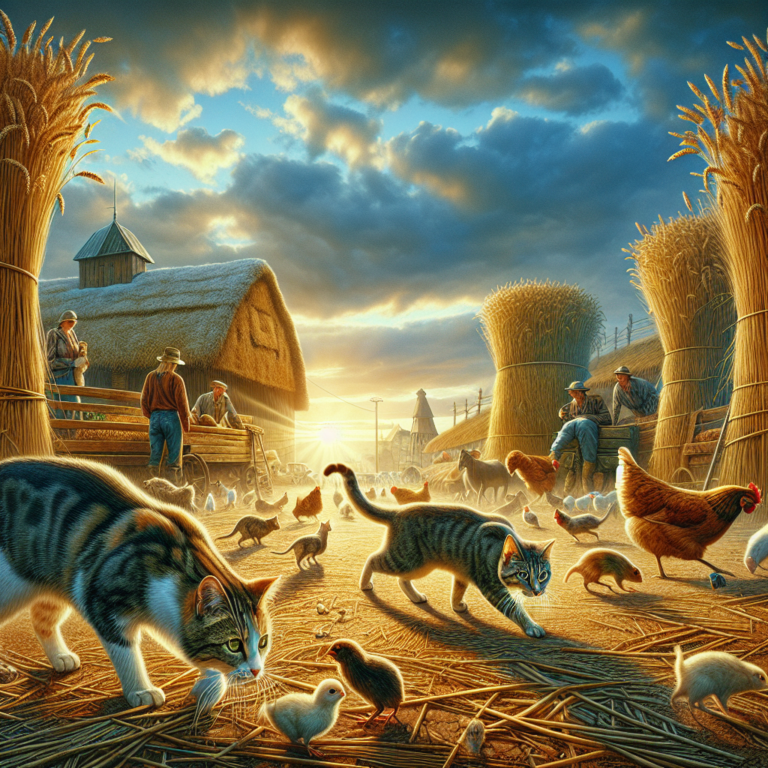





In the ever-evolving landscape of agriculture, cats have emerged as unexpected allies to farmers around the globe. While the feline presence on farms has been acknowledged for centuries, recent studies are shedding light on how these animals contribute to modern agricultural practices in ways that extend far beyond their traditional role as mere pest controllers.
Historically, cats have been cherished on farms for their natural hunting instincts, which help keep rodent populations in check. These rodents, including rats and mice, are notorious for damaging crops and contaminating stored grains, leading to significant economic losses for farmers. By controlling these pests, cats have indirectly safeguarded food supplies and contributed to the stability of agricultural economies. However, the contemporary contribution of cats to farming is taking on a new dimension, as they are increasingly being recognized for their influence on sustainable farming practices and ecosystem management.
One of the key areas where cats are making a difference is in the promotion of biodiversity. Farms with resident cats tend to experience lower populations of small mammalian pests, which in turn helps maintain a balance in the local ecosystem. This balance is crucial for the health of the soil and the overall productivity of the farm. By naturally regulating pest populations, cats reduce the need for chemical pesticides, which can be harmful to both the environment and human health. As a result, farms with feline inhabitants are often able to achieve higher levels of sustainability, aligning with the growing trend of eco-friendly agricultural practices.
Moreover, cats are being observed for their potential role in integrated pest management (IPM) strategies. IPM is an environmentally sensitive approach to pest management that relies on a combination of practices to control pest populations. In this context, cats serve as a natural, non-toxic component of the IPM toolkit. Farmers are beginning to appreciate the value of integrating cats into their pest management systems, recognizing that these animals can complement other methods such as crop rotation, biological pest controls, and mechanical barriers.
Beyond their impact on pest control and ecosystem balance, cats are also contributing to the social and psychological aspects of farm life. Many farmers report that having cats around provides a sense of companionship and emotional support. These animals often become beloved members of the farming community, offering comfort and reducing stress levels among farmers, who frequently work long and demanding hours in isolation.
Researchers from agricultural universities are increasingly interested in studying the nuances of the cat-farmer relationship, aiming to quantify the economic and environmental benefits that cats provide. Preliminary findings suggest that farms with stable cat populations not only enjoy increased crop yields but also exhibit improved worker morale and community well-being.
As agriculture continues to face challenges such as climate change and the demand for increased food production, the humble farm cat is proving to be an invaluable asset. Their contributions to pest management, biodiversity, and farmer well-being are a testament to the complex and multifaceted role cats play in this vital industry. As farmers and researchers alike continue to explore innovative solutions for sustainable agriculture, the unassuming cat may yet prove to be one of the most effective allies in cultivating a greener, more productive future.

10 thoughts on “The Feline Innovators of Agriculture: Cats and Their Surprising Role in Farming Practices”
This post wonderfully highlights the many ways cats contribute to modern farming practices and sustainable agriculture.
It’s great to see recognition for the valuable role cats play in agriculture and sustainability. Their impact on pest management and farm life truly makes a difference!
Absolutely, it’s fascinating to see how cats contribute to both pest management and the overall well-being of farm life. Their role in promoting sustainability is indeed noteworthy!
It’s interesting to see how cats have found a unique role in modern agriculture, helping with pest control and enhancing farm life. Their contribution to sustainability is certainly a valuable aspect worth recognizing!
It’s great to see recognition of the unique role cats play in modern agriculture. Their ability to contribute to both pest control and sustainability indeed highlights their valuable presence on farms.
While it’s true that cats have a role in pest control, it’s important to critically assess their overall impact. Feral cats can threaten local wildlife and biodiversity by hunting birds and small native animals. Balancing their benefits with potential ecological disruptions is crucial for sustainable farm management.
It’s insightful to consider all aspects of cats’ impact on farm ecosystems. Indeed, managing cat populations responsibly is essential to ensure they contribute positively without harming local wildlife. Balancing their pest control benefits with ecological considerations is key to sustainable farm management.
Your observation raises an important point about the need for responsible cat population management on farms. While cats offer valuable pest control benefits, it’s crucial to ensure their presence does not negatively impact local wildlife. Striking a balance between utilizing their natural hunting instincts and protecting ecological diversity is indeed a key aspect of sustainable farm management. It’s a complex issue that requires careful consideration and ongoing dialogue among farmers, wildlife experts, and researchers to develop practices that support both agricultural productivity and environmental health.
Your comment highlights a critical aspect of integrating cats into farm environments, which is the importance of managing their populations responsibly. While cats can be effective in controlling pests, it is essential to monitor their impact on local wildlife to maintain ecological balance. This balance is indeed integral to sustainable farming practices. Collaborating with wildlife experts and researchers can help develop strategies that ensure the cats’ presence is beneficial rather than detrimental. Ongoing dialogue is vital in creating solutions that align agricultural productivity with environmental conservation goals.
Your insight into the importance of responsibly managing cat populations on farms is crucial. Ensuring that cats contribute positively without disrupting local wildlife is key to achieving true sustainability. Engaging with wildlife experts and fostering ongoing dialogue can indeed help strike a balance that supports both agricultural and environmental goals.