
The Feline Innovators of Architecture: Cats and Their Surprising Influence on Structural Design
- 2 Comments
In the ever-evolving world of architecture, inspiration can come from the most unexpected places. While the contributions of renowned architects like Frank Lloyd Wright and Zaha Hadid are well-documented, it appears that the humble house cat has also played a subtle yet significant role in influencing the way we design and interact with our built environments. Though it may seem improbable at first glance, closer examination reveals that cats have been impacting architectural design through both their behavior and their historical presence in human dwellings.
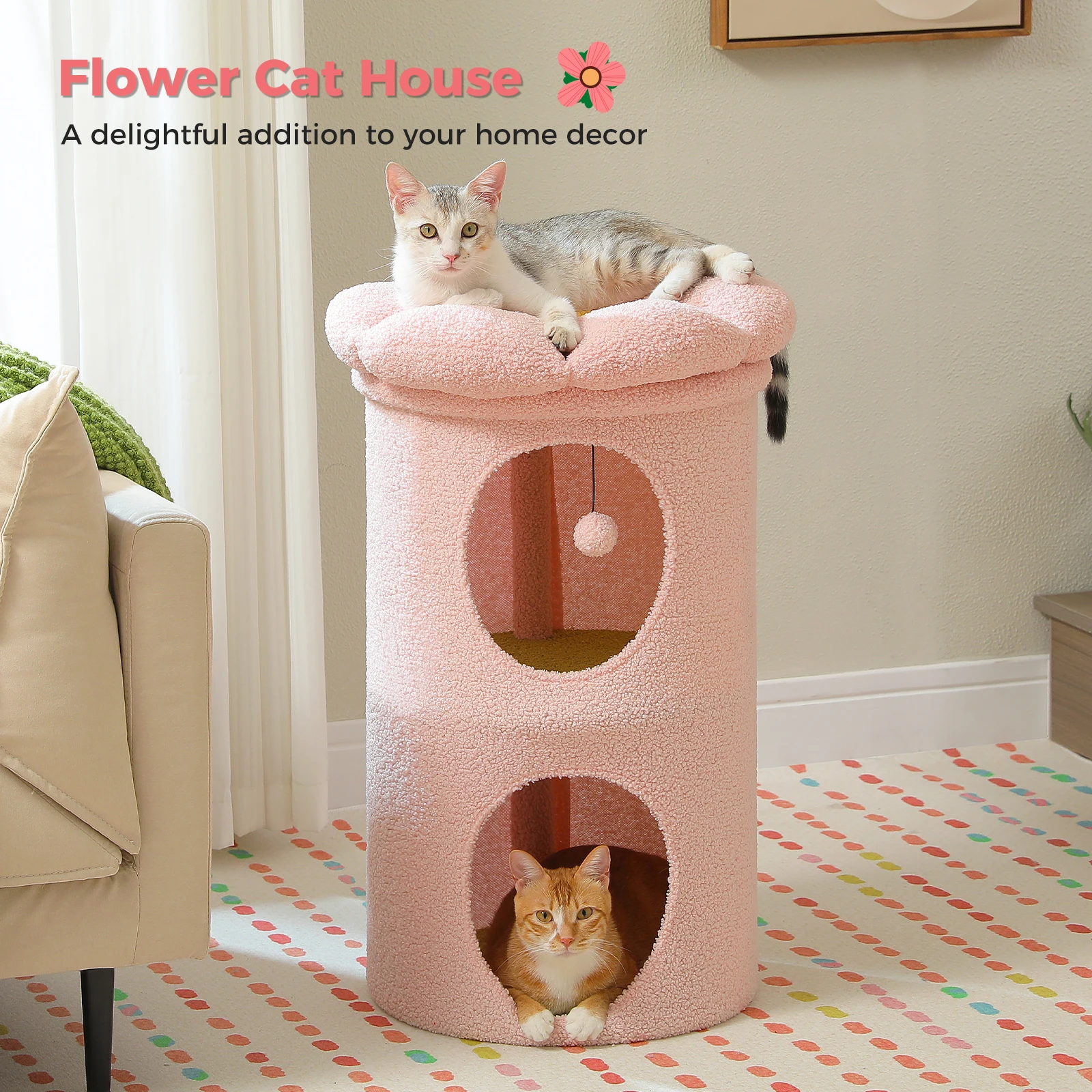
Historically, cats have been companions to humans for thousands of years, residing in various types of shelters from Egyptian palaces to European castles. Their innate sense of curiosity and preference for high perches have inspired architects to incorporate features that cater to both human and feline inhabitants. This influence is evident in the modern trend of “cat-friendly” architecture, which integrates elements such as elevated walkways, built-in scratching posts, and window perches, ensuring that homes serve the dual purpose of human comfort and feline exploration.
Beyond residential design, cats have also inspired broader architectural concepts. Their agility and versatility have led architects to explore fluidity in design, creating spaces that are adaptive and multifunctional. The notion of designing spaces that can be easily transformed or reconfigured echoes the cat’s ability to navigate various environments effortlessly. This has been particularly influential in the design of small urban apartments, where maximizing space efficiency is paramount.
Furthermore, the feline influence extends to sustainable design practices. Cats, with their minimalistic approach to resource usage and space management, have inadvertently championed the cause of eco-friendly architecture. Architects have taken cues from the way cats utilize vertical spaces and their affinity for natural light, leading to designs that emphasize energy efficiency and reduced environmental impact. The use of natural materials and integration of green spaces within urban settings are examples of how architectural trends are aligning with the natural inclinations of our feline friends.
The psychological benefits of designing with cats in mind cannot be overlooked. Studies have shown that environments that cater to the needs of pets can enhance the well-being of their human counterparts. The presence of architectural features that accommodate cats can create a sense of harmony and tranquility within a home, fostering a more relaxed and stress-free atmosphere for all its inhabitants.
In conclusion, while cats may not be drafting blueprints or engineering structural marvels, their subtle influence on the field of architecture is undeniable. As we continue to seek harmony between our living spaces and the natural world, the lessons we learn from our feline companions will remain invaluable. By observing their behaviors and preferences, architects can continue to create innovative and humane environments that celebrate the unique bond between humans and cats, ensuring that our shared spaces are as functional and delightful as possible.
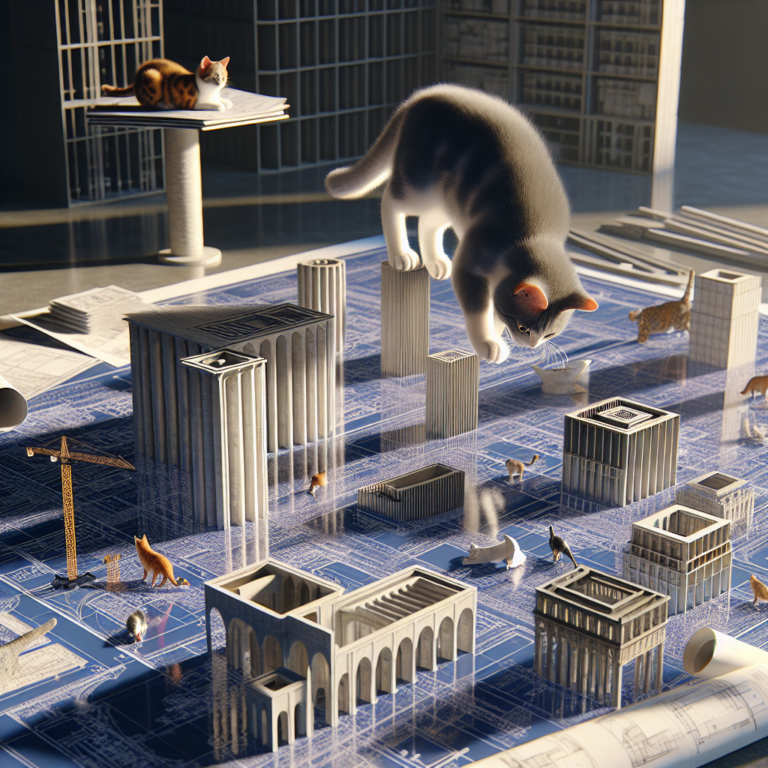

In the ever-evolving world of architecture, inspiration can come from the most unexpected places. While the contributions of renowned architects like Frank Lloyd Wright and Zaha Hadid are well-documented, it appears that the humble house cat has also played a subtle yet significant role in influencing the way we design and interact with our built environments. Though it may seem improbable at first glance, closer examination reveals that cats have been impacting architectural design through both their behavior and their historical presence in human dwellings.
Historically, cats have been companions to humans for thousands of years, residing in various types of shelters from Egyptian palaces to European castles. Their innate sense of curiosity and preference for high perches have inspired architects to incorporate features that cater to both human and feline inhabitants. This influence is evident in the modern trend of “cat-friendly” architecture, which integrates elements such as elevated walkways, built-in scratching posts, and window perches, ensuring that homes serve the dual purpose of human comfort and feline exploration.
Beyond residential design, cats have also inspired broader architectural concepts. Their agility and versatility have led architects to explore fluidity in design, creating spaces that are adaptive and multifunctional. The notion of designing spaces that can be easily transformed or reconfigured echoes the cat’s ability to navigate various environments effortlessly. This has been particularly influential in the design of small urban apartments, where maximizing space efficiency is paramount.
Furthermore, the feline influence extends to sustainable design practices. Cats, with their minimalistic approach to resource usage and space management, have inadvertently championed the cause of eco-friendly architecture. Architects have taken cues from the way cats utilize vertical spaces and their affinity for natural light, leading to designs that emphasize energy efficiency and reduced environmental impact. The use of natural materials and integration of green spaces within urban settings are examples of how architectural trends are aligning with the natural inclinations of our feline friends.
The psychological benefits of designing with cats in mind cannot be overlooked. Studies have shown that environments that cater to the needs of pets can enhance the well-being of their human counterparts. The presence of architectural features that accommodate cats can create a sense of harmony and tranquility within a home, fostering a more relaxed and stress-free atmosphere for all its inhabitants.
In conclusion, while cats may not be drafting blueprints or engineering structural marvels, their subtle influence on the field of architecture is undeniable. As we continue to seek harmony between our living spaces and the natural world, the lessons we learn from our feline companions will remain invaluable. By observing their behaviors and preferences, architects can continue to create innovative and humane environments that celebrate the unique bond between humans and cats, ensuring that our shared spaces are as functional and delightful as possible.

2 thoughts on “The Feline Innovators of Architecture: Cats and Their Surprising Influence on Structural Design”
This post offers an intriguing perspective on how our furry companions can inspire creative architectural design.
It’s great to see appreciation for the unique ways cats can influence design. Their presence in our homes truly adds a creative spark to architectural concepts.