The Feline Innovators of Social Media: Cats and Their Subtle Domination of Digital Platforms
- No Comments
In the rapidly evolving world of social media, few phenomena have emerged as both inexplicable and captivating as the ubiquitous presence of cats. From viral videos to Instagram influencers, cats have managed to carve out a significant niche in the digital landscape, establishing themselves as uncontested rulers of online content. This trend is not just a casual observation but a solidified cultural movement that has fascinating implications for understanding human behavior, marketing strategies, and digital content creation.
The rise of cats on social media can be traced back to the early days of the internet, where the first cat memes began to circulate in online forums and message boards. These early manifestations of feline fascination paved the way for a deluge of content that would soon become a staple of digital culture. Platforms like YouTube became the breeding ground for viral cat videos, with iconic clips like “Keyboard Cat” and “Nyan Cat” achieving millions of views, turning ordinary felines into global sensations overnight.
The allure of cats in digital spaces is not merely due to their cuteness or comedic antics but is also deeply rooted in psychological and sociological factors. Researchers have found that cat content often triggers emotional responses ranging from joy to laughter, providing a quick and easy form of stress relief. In a world where anxiety and pressure are prevalent, the lighthearted nature of cat videos offers a momentary escape, contributing to their widespread appeal.
Moreover, the rise of social media influencers has given birth to a new class of celebrity: the cat influencer. Accounts like Grumpy Cat and Lil Bub have garnered millions of followers, turning their feline stars into lucrative brands. These cats have not only captured the hearts of millions but have also caught the attention of marketers who see the potential in leveraging their popularity for product endorsements and brand collaborations. The phenomenon has reshaped marketing strategies, with companies increasingly turning to pet influencers as a means to engage with audiences in an authentic and relatable manner.
The impact of cats on social media extends beyond entertainment and marketing; it also offers insights into community building and digital interactions. Cat-themed groups and communities have flourished on platforms like Facebook and Reddit, where enthusiasts gather to share content, advice, and support. These communities foster a sense of belonging and camaraderie among members, illustrating the power of shared interests in creating meaningful connections in the digital age.
The implications of this trend are far-reaching, influencing everything from content algorithms to platform policies. Social media platforms have responded to the demand for cat content by optimizing their algorithms to prioritize engaging and shareable posts, often resulting in increased visibility for feline-related content. This feedback loop continues to reinforce the dominance of cats online, ensuring their place in the digital ecosystem for years to come.
In conclusion, the influence of cats on social media is a testament to their enduring appeal and their ability to adapt to new cultural landscapes. As digital platforms continue to evolve, the role of cats in shaping online interactions and content consumption cannot be underestimated. Whether as a source of joy, a marketing tool, or a community builder, cats have undeniably secured their position as the subtle yet powerful rulers of social media.
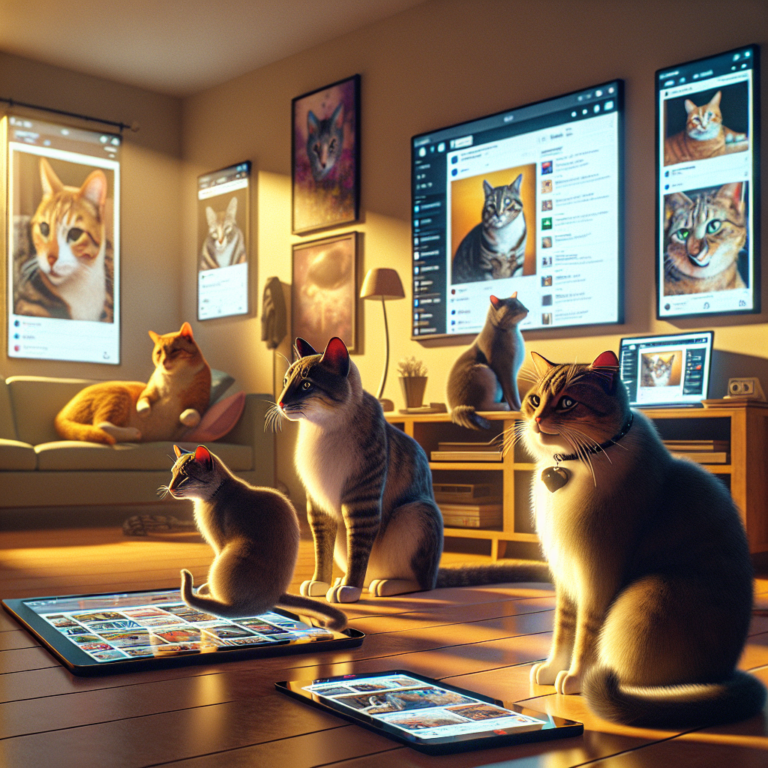


In the rapidly evolving world of social media, few phenomena have emerged as both inexplicable and captivating as the ubiquitous presence of cats. From viral videos to Instagram influencers, cats have managed to carve out a significant niche in the digital landscape, establishing themselves as uncontested rulers of online content. This trend is not just a casual observation but a solidified cultural movement that has fascinating implications for understanding human behavior, marketing strategies, and digital content creation.
The rise of cats on social media can be traced back to the early days of the internet, where the first cat memes began to circulate in online forums and message boards. These early manifestations of feline fascination paved the way for a deluge of content that would soon become a staple of digital culture. Platforms like YouTube became the breeding ground for viral cat videos, with iconic clips like “Keyboard Cat” and “Nyan Cat” achieving millions of views, turning ordinary felines into global sensations overnight.
The allure of cats in digital spaces is not merely due to their cuteness or comedic antics but is also deeply rooted in psychological and sociological factors. Researchers have found that cat content often triggers emotional responses ranging from joy to laughter, providing a quick and easy form of stress relief. In a world where anxiety and pressure are prevalent, the lighthearted nature of cat videos offers a momentary escape, contributing to their widespread appeal.
Moreover, the rise of social media influencers has given birth to a new class of celebrity: the cat influencer. Accounts like Grumpy Cat and Lil Bub have garnered millions of followers, turning their feline stars into lucrative brands. These cats have not only captured the hearts of millions but have also caught the attention of marketers who see the potential in leveraging their popularity for product endorsements and brand collaborations. The phenomenon has reshaped marketing strategies, with companies increasingly turning to pet influencers as a means to engage with audiences in an authentic and relatable manner.
The impact of cats on social media extends beyond entertainment and marketing; it also offers insights into community building and digital interactions. Cat-themed groups and communities have flourished on platforms like Facebook and Reddit, where enthusiasts gather to share content, advice, and support. These communities foster a sense of belonging and camaraderie among members, illustrating the power of shared interests in creating meaningful connections in the digital age.
The implications of this trend are far-reaching, influencing everything from content algorithms to platform policies. Social media platforms have responded to the demand for cat content by optimizing their algorithms to prioritize engaging and shareable posts, often resulting in increased visibility for feline-related content. This feedback loop continues to reinforce the dominance of cats online, ensuring their place in the digital ecosystem for years to come.
In conclusion, the influence of cats on social media is a testament to their enduring appeal and their ability to adapt to new cultural landscapes. As digital platforms continue to evolve, the role of cats in shaping online interactions and content consumption cannot be underestimated. Whether as a source of joy, a marketing tool, or a community builder, cats have undeniably secured their position as the subtle yet powerful rulers of social media.