
The Feline Innovators of Technology: Cats and Their Surprising Influence on Tech Development
- 3 Comments
In the fast-paced world of technology, where innovation seems to be driven by human genius alone, there’s an unexpected player that has quietly been influencing tech development: the humble cat. While it may seem far-fetched at first, a closer look reveals how these enigmatic creatures have played a significant role in shaping various technological advancements.
The relationship between cats and technology dates back to the early days of computing, where they made their first notable mark. In the 1960s, computer scientists working long hours in labs often kept cats as companions. These feline friends provided comfort and a sense of calm in the high-pressure environment, indirectly contributing to breakthroughs in computing by reducing stress levels and improving the mental well-being of researchers. This harmony between man and beast laid an unspoken foundation for a symbiotic relationship that has persisted into the modern tech era.
In the contemporary tech landscape, cats have become unofficial mascots for many tech companies and startups. This phenomenon can be observed in the plethora of tech-themed cat memes and apps that have dominated social media and mobile platforms. These digital representations of cats not only entertain but also serve as innovative tools for teaching coding and programming to children and beginners. By incorporating playful cat animations and interactive elements, these educational platforms have made learning technology more accessible and engaging.
Furthermore, cats have inspired a host of robotic innovations. Companies specializing in robotics have studied the fluid, graceful movements of cats to develop more advanced and agile robotic systems. A notable example is the advent of quadrupedal robots, which mimic the feline gait to achieve unprecedented balance and agility in navigating complex terrains. These robotics companies attribute their designs to the study of feline biomechanics, showcasing how cats have quietly influenced the engineering of future tech.
The influence of cats extends into the realm of artificial intelligence as well. Image recognition technology, a crucial component of AI, owes a part of its development to the large datasets of cat images that have been used to train algorithms. Tech giants such as Google have utilized these datasets to refine their AI models, which are now capable of accurately identifying and categorizing images, a testament to the role of cats in advancing machine learning processes.
Moreover, the internet itself, often humorously referred to as “built for cats,” has seen a significant portion of its content dedicated to feline antics. The viral nature of cat videos has driven social media engagement, influencing the way platforms are designed to support video sharing and streaming capabilities. This feline fascination has inadvertently pushed tech companies to enhance their infrastructure to accommodate the high demand for multimedia content.
As we look to the future, the bond between cats and technology shows no signs of waning. With the rise of smart home devices and the Internet of Things (IoT), cats are expected to continue inspiring innovations, particularly in the realm of pet tech. From automated litter boxes to feline-specific health monitoring systems, technology is increasingly being tailored to cater to the needs of our furry companions.
In conclusion, while cats may not have directly invented new technologies, their subtle influence on tech development is undeniable. As companions, muses, and sometimes even unwitting participants, cats have left an indelible mark on the tech world, proving that innovation can come from the most unexpected sources. The next time you marvel at a piece of technology, remember that a cat might just have had a paw in its creation.
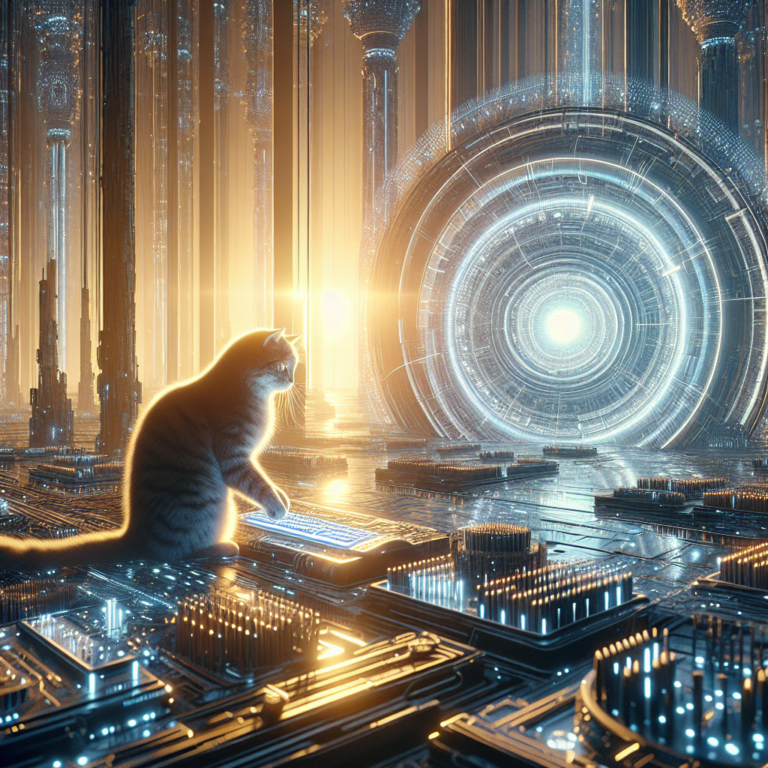




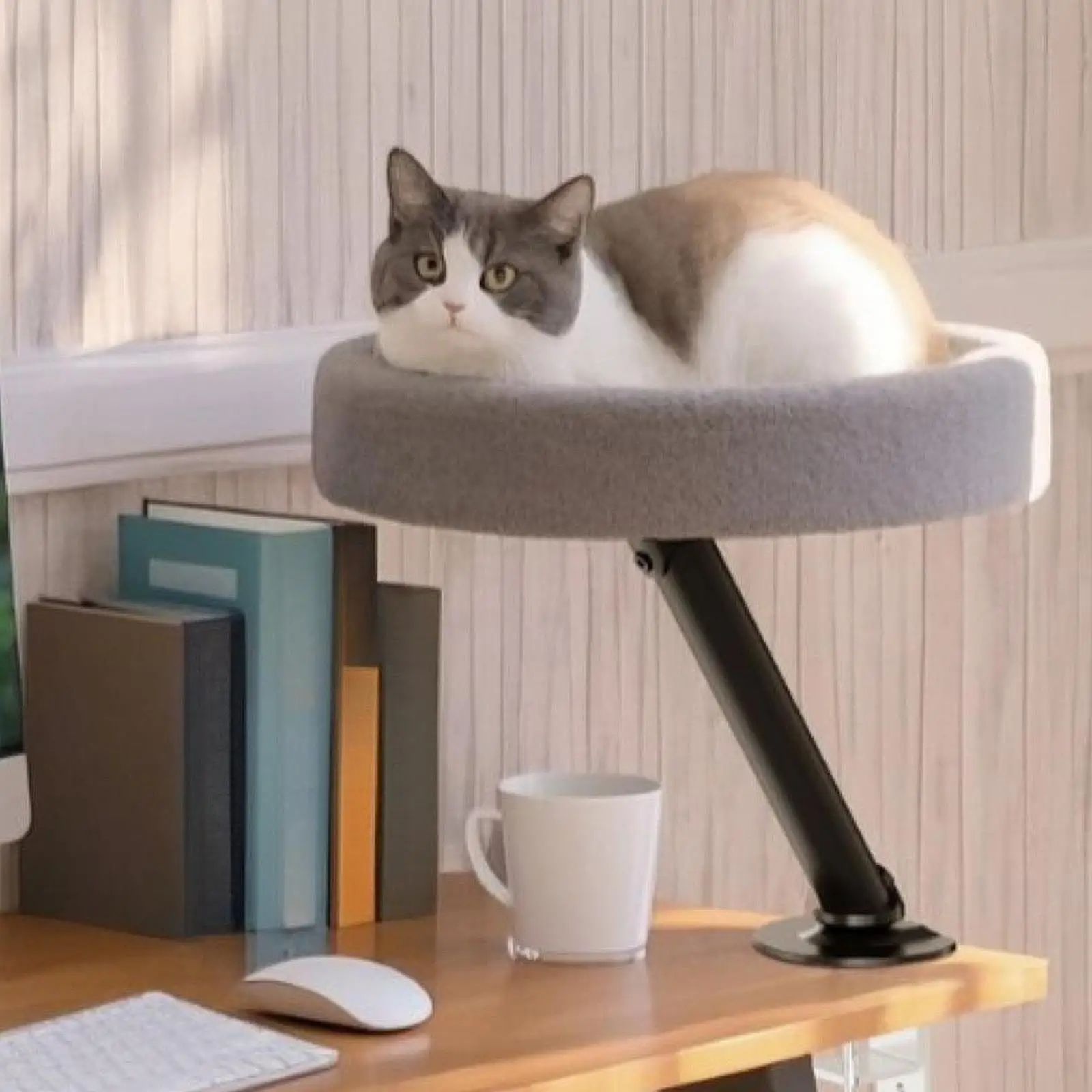
In the fast-paced world of technology, where innovation seems to be driven by human genius alone, there’s an unexpected player that has quietly been influencing tech development: the humble cat. While it may seem far-fetched at first, a closer look reveals how these enigmatic creatures have played a significant role in shaping various technological advancements.
The relationship between cats and technology dates back to the early days of computing, where they made their first notable mark. In the 1960s, computer scientists working long hours in labs often kept cats as companions. These feline friends provided comfort and a sense of calm in the high-pressure environment, indirectly contributing to breakthroughs in computing by reducing stress levels and improving the mental well-being of researchers. This harmony between man and beast laid an unspoken foundation for a symbiotic relationship that has persisted into the modern tech era.
In the contemporary tech landscape, cats have become unofficial mascots for many tech companies and startups. This phenomenon can be observed in the plethora of tech-themed cat memes and apps that have dominated social media and mobile platforms. These digital representations of cats not only entertain but also serve as innovative tools for teaching coding and programming to children and beginners. By incorporating playful cat animations and interactive elements, these educational platforms have made learning technology more accessible and engaging.
Furthermore, cats have inspired a host of robotic innovations. Companies specializing in robotics have studied the fluid, graceful movements of cats to develop more advanced and agile robotic systems. A notable example is the advent of quadrupedal robots, which mimic the feline gait to achieve unprecedented balance and agility in navigating complex terrains. These robotics companies attribute their designs to the study of feline biomechanics, showcasing how cats have quietly influenced the engineering of future tech.
The influence of cats extends into the realm of artificial intelligence as well. Image recognition technology, a crucial component of AI, owes a part of its development to the large datasets of cat images that have been used to train algorithms. Tech giants such as Google have utilized these datasets to refine their AI models, which are now capable of accurately identifying and categorizing images, a testament to the role of cats in advancing machine learning processes.
Moreover, the internet itself, often humorously referred to as “built for cats,” has seen a significant portion of its content dedicated to feline antics. The viral nature of cat videos has driven social media engagement, influencing the way platforms are designed to support video sharing and streaming capabilities. This feline fascination has inadvertently pushed tech companies to enhance their infrastructure to accommodate the high demand for multimedia content.
As we look to the future, the bond between cats and technology shows no signs of waning. With the rise of smart home devices and the Internet of Things (IoT), cats are expected to continue inspiring innovations, particularly in the realm of pet tech. From automated litter boxes to feline-specific health monitoring systems, technology is increasingly being tailored to cater to the needs of our furry companions.
In conclusion, while cats may not have directly invented new technologies, their subtle influence on tech development is undeniable. As companions, muses, and sometimes even unwitting participants, cats have left an indelible mark on the tech world, proving that innovation can come from the most unexpected sources. The next time you marvel at a piece of technology, remember that a cat might just have had a paw in its creation.

3 thoughts on “The Feline Innovators of Technology: Cats and Their Surprising Influence on Tech Development”
This insightful post highlights the unexpected yet delightful role cats have played in shaping technological advancements.
This post offers a fascinating perspective on the unexpected ways cats have contributed to technology.
It’s great to hear that you found the perspective on cats and technology fascinating. Cats truly have a unique way of influencing various aspects of our lives!