
The Feline Innovators of Cultural Heritage: Cats and Their Influence on Historical Narratives
- 21 Comments
In the annals of history, the silent observers known as cats have played roles that often go unnoticed, yet their presence has subtly shaped the way we understand cultural heritage. As symbols, companions, and even deities, cats have been woven into the tapestry of human history, influencing the narratives we construct about the past.
Cats have been revered since ancient times, with civilizations such as the Egyptians famously worshiping them as sacred beings. The goddess Bastet, depicted as a lioness or as a woman with a cat’s head, was celebrated as a symbol of home, fertility, and protection. This reverence for cats has persisted through the ages, with their images frequently appearing in art, literature, and folklore. As a result, cats have helped preserve cultural traditions and rituals, acting as living links to bygone eras.
In medieval Europe, cats were seen both as mystical creatures and as effective hunters, crucial for maintaining the agrarian lifestyle by controlling rodent populations. Their dual perception as both protectors and potential harbingers of supernatural events contributed to the rich tapestry of folklore that emerged during these times. Cats were often depicted in tales as magical beings or companions of witches, further embedding them into the cultural narratives of the era.
Moreover, cats have been present in the intimate settings of famous historical figures, influencing the course of events in subtle ways. From the beloved cats of notable writers like Edgar Allan Poe and Mark Twain to the feline companions of political leaders, these animals have provided comfort and inspiration, playing roles in the personal lives of those who have shaped history.
The representation of cats in the arts has also contributed to the documentation of cultural heritage. Artists throughout history have included cats in their works, from the intricate mosaics of ancient Rome to the impressionistic paintings of the 19th century. These depictions provide valuable insights into the social and cultural contexts of different periods, highlighting the evolving relationship between humans and their feline counterparts.
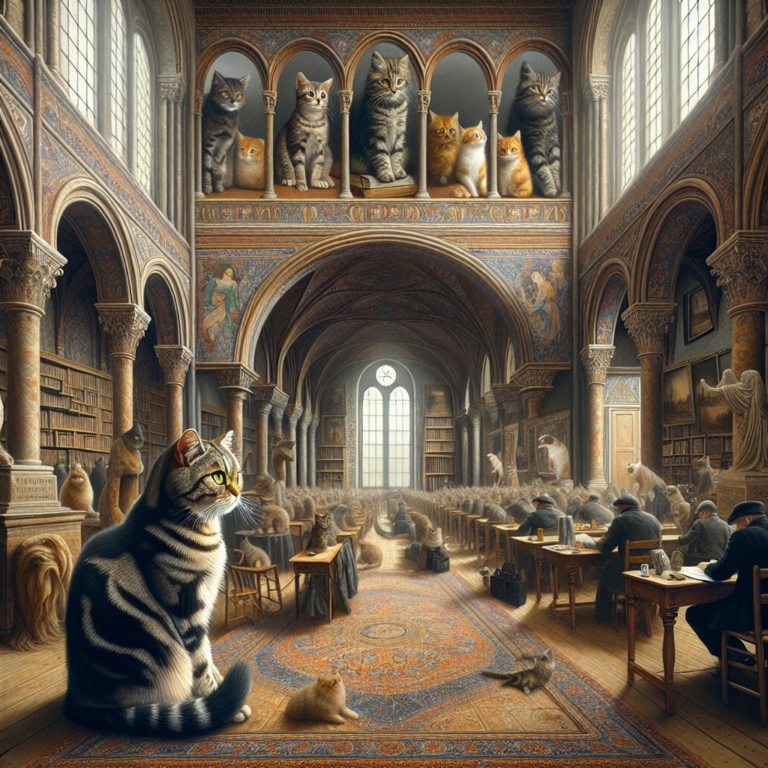
In the modern era, the role of cats in cultural heritage continues to evolve. As the guardians of libraries and museums, cats have become mascots and symbols of preservation and curiosity. Their presence in these institutions serves as a gentle reminder of the continuity of history, bridging the gap between the past and present.
Cats’ influence on historical narratives is evident in the way they inspire storytelling across various media. From animated films to children’s books, cats have become iconic characters that capture the imagination and convey cultural values to new generations. Through these stories, they continue to shape the cultural landscape, ensuring their place in the pages of history.
In conclusion, while their contributions may often go unrecognized, cats have played a pivotal role in the preservation and shaping of cultural heritage. As symbols, companions, and muses, they have influenced the way we document and interpret our past, leaving an indelible mark on the narratives that define our shared human experience. As we continue to explore and understand our history, the presence of these enigmatic creatures in our cultural heritage remains a testament to their enduring influence.







In the annals of history, the silent observers known as cats have played roles that often go unnoticed, yet their presence has subtly shaped the way we understand cultural heritage. As symbols, companions, and even deities, cats have been woven into the tapestry of human history, influencing the narratives we construct about the past.
Cats have been revered since ancient times, with civilizations such as the Egyptians famously worshiping them as sacred beings. The goddess Bastet, depicted as a lioness or as a woman with a cat’s head, was celebrated as a symbol of home, fertility, and protection. This reverence for cats has persisted through the ages, with their images frequently appearing in art, literature, and folklore. As a result, cats have helped preserve cultural traditions and rituals, acting as living links to bygone eras.
In medieval Europe, cats were seen both as mystical creatures and as effective hunters, crucial for maintaining the agrarian lifestyle by controlling rodent populations. Their dual perception as both protectors and potential harbingers of supernatural events contributed to the rich tapestry of folklore that emerged during these times. Cats were often depicted in tales as magical beings or companions of witches, further embedding them into the cultural narratives of the era.
Moreover, cats have been present in the intimate settings of famous historical figures, influencing the course of events in subtle ways. From the beloved cats of notable writers like Edgar Allan Poe and Mark Twain to the feline companions of political leaders, these animals have provided comfort and inspiration, playing roles in the personal lives of those who have shaped history.
The representation of cats in the arts has also contributed to the documentation of cultural heritage. Artists throughout history have included cats in their works, from the intricate mosaics of ancient Rome to the impressionistic paintings of the 19th century. These depictions provide valuable insights into the social and cultural contexts of different periods, highlighting the evolving relationship between humans and their feline counterparts.
In the modern era, the role of cats in cultural heritage continues to evolve. As the guardians of libraries and museums, cats have become mascots and symbols of preservation and curiosity. Their presence in these institutions serves as a gentle reminder of the continuity of history, bridging the gap between the past and present.
Cats’ influence on historical narratives is evident in the way they inspire storytelling across various media. From animated films to children’s books, cats have become iconic characters that capture the imagination and convey cultural values to new generations. Through these stories, they continue to shape the cultural landscape, ensuring their place in the pages of history.
In conclusion, while their contributions may often go unrecognized, cats have played a pivotal role in the preservation and shaping of cultural heritage. As symbols, companions, and muses, they have influenced the way we document and interpret our past, leaving an indelible mark on the narratives that define our shared human experience. As we continue to explore and understand our history, the presence of these enigmatic creatures in our cultural heritage remains a testament to their enduring influence.

21 thoughts on “The Feline Innovators of Cultural Heritage: Cats and Their Influence on Historical Narratives”
What a fascinating exploration of how cats have impacted history and cultural traditions!
This post provides an interesting perspective on cats and their role in history and culture.
The article overstates the historical impact of cats, focusing too much on symbolism rather than tangible contributions.
The article provides an interesting perspective on how cats have been intertwined with cultural symbolism throughout history. While their tangible contributions might not always be as visible, the symbolic roles they play can offer valuable insights into our cultural narratives and artistic expressions. It’s fascinating to consider how these elements contribute to our understanding of the past.
Pingback: vidalista 20mg indiamart
Pingback: semaglutida tabletas como se toma para bajar de peso
Pingback: topamax dose for seizures
Pingback: rogaine for beard
Pingback: doxycycline face side effects
Pingback: tadalafil dosage for erectile dysfunction
Pingback: acyclovir topical ointment reddit
Pingback: xenical 120mg singapore
Pingback: liraglutide biocon
Pingback: ketoconazole pharmacology overview
Pingback: ivermectin mechanism clinical data
Pingback: penicillin allergy symptoms list
Pingback: bacterial pneumonia
Pingback: sinusitis symptoms
Pingback: Tmax Reference
Pingback: Sildenafil vs Cialis Onset Breakdown
Pingback: mechanism of sildenafil