
The Feline Innovators of Architecture: Cats and Their Quiet Influence on Structural Design
- No Comments
In the world of architecture, a realm traditionally dominated by human ingenuity and engineering prowess, an unexpected player has begun to emerge: the domestic cat. While these furry companions are often relegated to the role of household pet, new studies and anecdotal evidence suggest that cats may play a subtle yet significant role in shaping architectural design and innovation.
Architects and designers are increasingly recognizing the impact of cats on the spatial dynamics of a home. The presence of a feline can influence the layout of a living space, from the inclusion of cat-friendly elements like climbing structures and perches to the strategic placement of windows that allow for optimal sunbathing opportunities. These considerations not only enhance the quality of life for the cat but also contribute to the overall aesthetic and functional appeal of a residence.
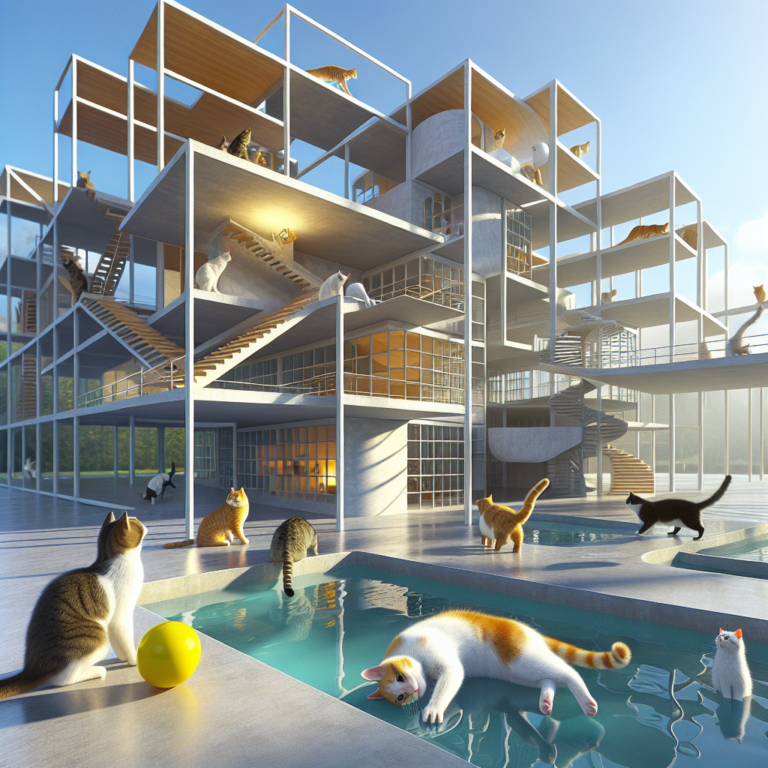
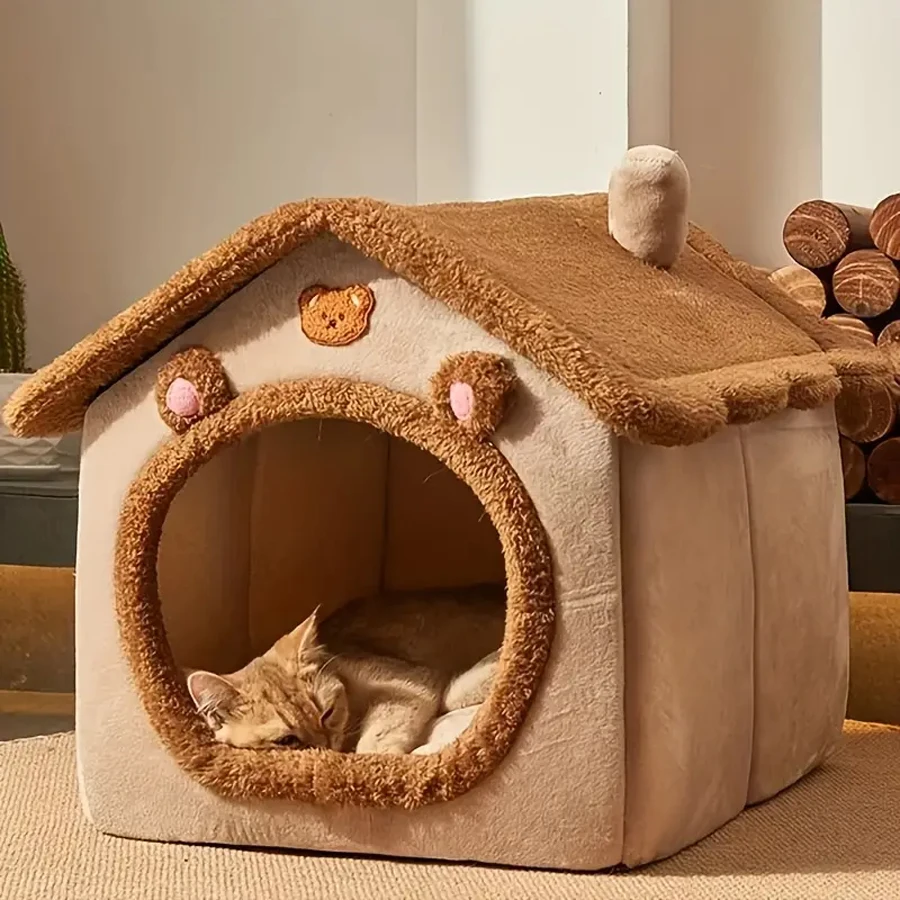
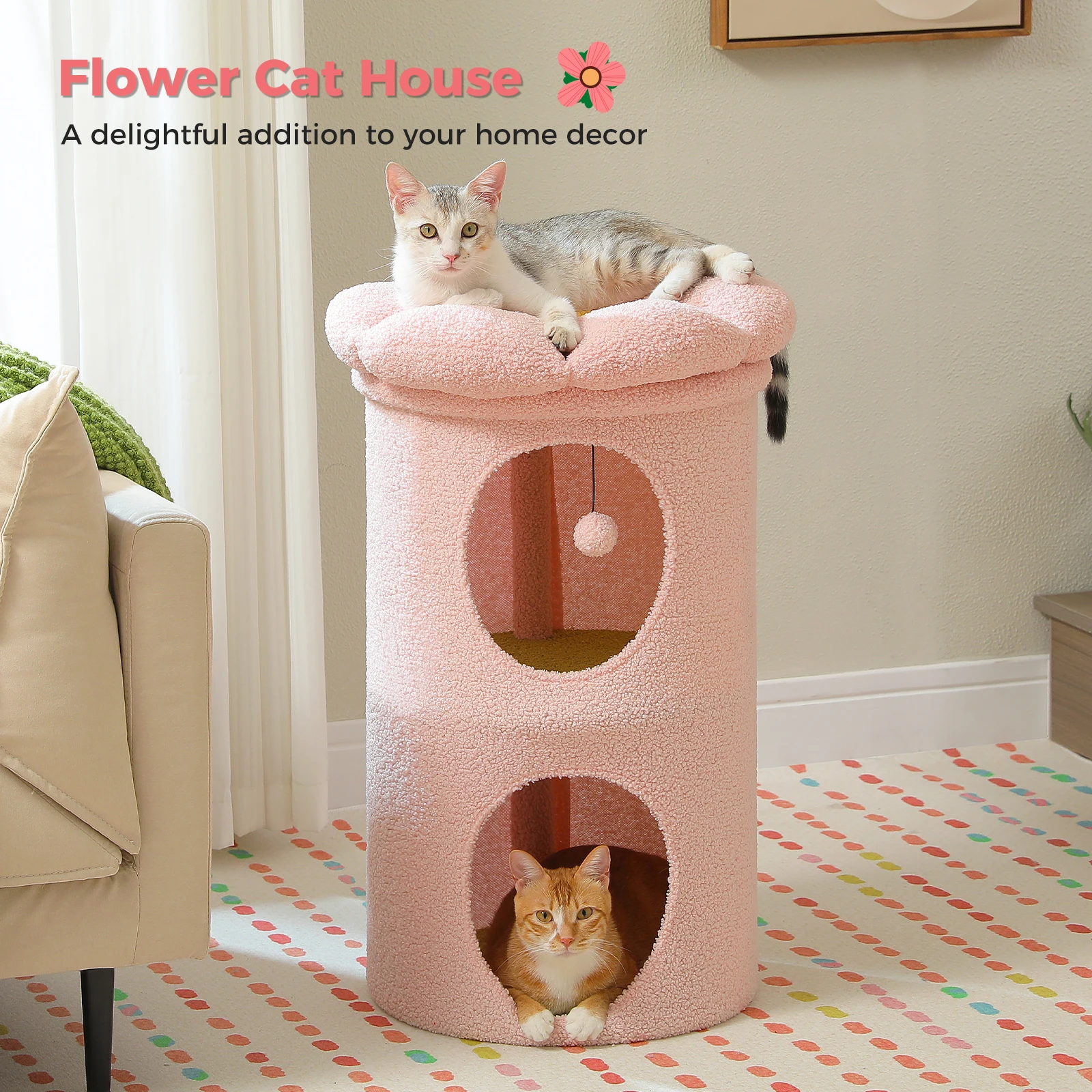
One intriguing trend is the rise of “catification,” a design philosophy that integrates the needs of cats into the broader architectural framework. This approach often involves creating multi-level environments that cater to a cat’s natural instincts to climb and explore, while also providing safe, comfortable spaces for rest and observation. The result is a harmonious blend of form and function that serves both human and feline occupants.
Moreover, the influence of cats extends beyond residential architecture. In urban environments, architects are beginning to incorporate elements that accommodate stray and feral cats, recognizing their role in the urban ecosystem. This includes designing public spaces that offer shelter and feeding stations, as well as implementing architectural features that facilitate the movement and safety of these animals.
The impact of cats on architecture is not limited to physical structures. Their presence also inspires creative solutions to common design challenges. For instance, the need to accommodate a cat’s natural behaviors, such as scratching and climbing, has led to the development of innovative materials and furniture designs that are both durable and aesthetically pleasing.
As architects continue to explore the intersection of animal behavior and design, the role of cats as silent influencers becomes increasingly apparent. Their unique perspective on space and movement challenges designers to think outside the box, leading to more adaptable and dynamic living environments. In this way, cats contribute to the evolution of architectural practice, encouraging a more holistic approach that considers the needs of all inhabitants, human and animal alike.
The integration of feline-friendly design elements is not only a testament to the ingenuity of architects but also a reflection of a broader cultural shift towards recognizing the importance of animals in our lives. As we continue to build and shape our environments, the presence of cats serves as a reminder of the delicate balance between nature and human innovation. As such, they deserve recognition not just as companions but as contributors to the architectural landscape of the future.

In the world of architecture, a realm traditionally dominated by human ingenuity and engineering prowess, an unexpected player has begun to emerge: the domestic cat. While these furry companions are often relegated to the role of household pet, new studies and anecdotal evidence suggest that cats may play a subtle yet significant role in shaping architectural design and innovation.
Architects and designers are increasingly recognizing the impact of cats on the spatial dynamics of a home. The presence of a feline can influence the layout of a living space, from the inclusion of cat-friendly elements like climbing structures and perches to the strategic placement of windows that allow for optimal sunbathing opportunities. These considerations not only enhance the quality of life for the cat but also contribute to the overall aesthetic and functional appeal of a residence.
One intriguing trend is the rise of “catification,” a design philosophy that integrates the needs of cats into the broader architectural framework. This approach often involves creating multi-level environments that cater to a cat’s natural instincts to climb and explore, while also providing safe, comfortable spaces for rest and observation. The result is a harmonious blend of form and function that serves both human and feline occupants.
Moreover, the influence of cats extends beyond residential architecture. In urban environments, architects are beginning to incorporate elements that accommodate stray and feral cats, recognizing their role in the urban ecosystem. This includes designing public spaces that offer shelter and feeding stations, as well as implementing architectural features that facilitate the movement and safety of these animals.
The impact of cats on architecture is not limited to physical structures. Their presence also inspires creative solutions to common design challenges. For instance, the need to accommodate a cat’s natural behaviors, such as scratching and climbing, has led to the development of innovative materials and furniture designs that are both durable and aesthetically pleasing.
As architects continue to explore the intersection of animal behavior and design, the role of cats as silent influencers becomes increasingly apparent. Their unique perspective on space and movement challenges designers to think outside the box, leading to more adaptable and dynamic living environments. In this way, cats contribute to the evolution of architectural practice, encouraging a more holistic approach that considers the needs of all inhabitants, human and animal alike.
The integration of feline-friendly design elements is not only a testament to the ingenuity of architects but also a reflection of a broader cultural shift towards recognizing the importance of animals in our lives. As we continue to build and shape our environments, the presence of cats serves as a reminder of the delicate balance between nature and human innovation. As such, they deserve recognition not just as companions but as contributors to the architectural landscape of the future.