The Feline Innovators of Dance: Cats and Their Graceful Influence on Movement Arts
- No Comments
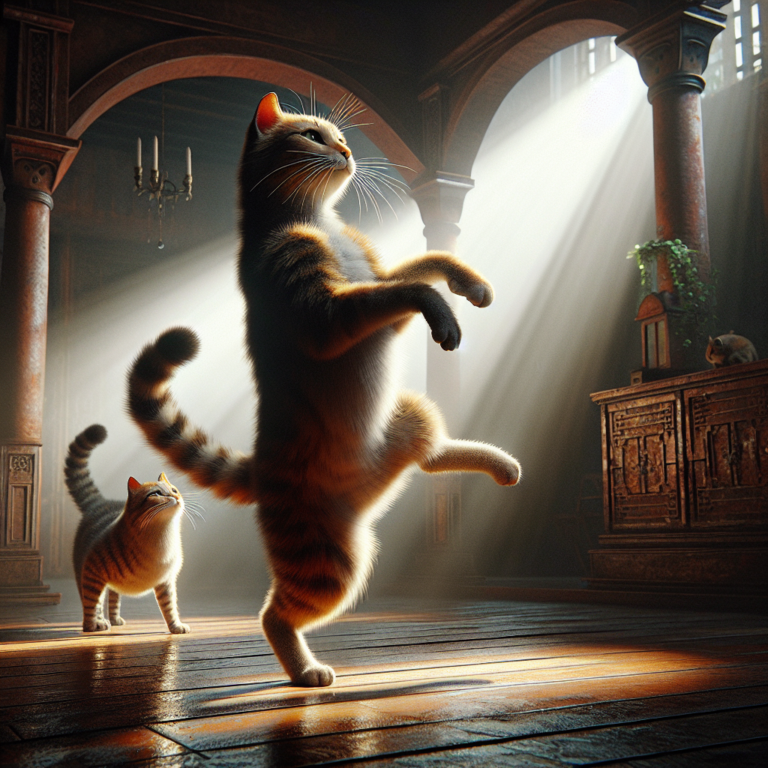
Cats have long been celebrated for their grace, agility, and fluidity of movement. These qualities have not only enchanted pet owners and animal lovers worldwide but have also subtly influenced the world of dance. From their silent, elegant steps to their sudden bursts of acrobatic prowess, cats have become muses for choreographers and dancers alike, inspiring a range of dance styles and performances.
The connection between cats and dance can be traced back to ancient civilizations. In ancient Egypt, cats were revered and often depicted in art as graceful beings, their lithe forms echoing the movements of dancers during religious ceremonies. This reverence for feline form and motion carried forward through the ages, subtly impacting the development of various dance forms.
In more modern times, renowned ballet choreographers have often admired the feline ability to leap and land with effortless grace. The iconic “cat leap,” a staple in ballet, mirrors the way a cat might spring into the air and come down lightly on its paws. This movement has been incorporated into numerous ballets, where dancers are tasked with capturing the elegance and precision of a cat’s leap.
Contemporary and modern dance have also drawn inspiration from cats, with dancers emulating the supple, sinuous movements of these creatures. Improvisational dance, in particular, often encourages performers to channel their inner feline, exploring the freedom and fluidity that cats naturally embody. Workshops and classes sometimes even use exercises that encourage dancers to move like cats, promoting flexibility and the ability to transition smoothly from one movement to the next.
Cats have also made their mark in the world of theatrical dance. In productions such as “Cats,” the famous musical by Andrew Lloyd Webber, performers embody the persona and movements of their feline counterparts. The characters in the musical are designed to reflect various aspects of cat behavior and personality, and the dance sequences capture the agility and expressiveness that cats are known for.
Beyond professional dance, the influence of cats can be seen in recreational and social dance settings. Line dances, folk dances, and even some urban dance forms occasionally integrate movements reminiscent of a cat’s sleek and playful demeanor, bringing a touch of feline charisma to the dance floor.
The influence of cats on dance extends beyond mere mimicry. Their presence as companions in studios and rehearsal spaces often provides comfort and inspiration to dancers. The calming effect of a cat’s purr, combined with their natural curiosity and playfulness, creates an atmosphere where creativity can thrive. This environment fosters a unique synergy between human and feline, where dancers find themselves inspired not just by the physicality but also by the presence and spirit of their feline friends.
As the world continues to explore and expand the boundaries of dance, the influence of cats is likely to endure. Their natural grace, elegance, and ability to captivate the human imagination will continue to serve as a source of inspiration for dancers and choreographers, encouraging the creation of new and innovative performances that celebrate the timeless beauty of movement. Thus, cats, with their quiet yet profound impact, will remain integral to the evolving tapestry of dance, forever shaping the art form with their unique blend of charm and agility.


Cats have long been celebrated for their grace, agility, and fluidity of movement. These qualities have not only enchanted pet owners and animal lovers worldwide but have also subtly influenced the world of dance. From their silent, elegant steps to their sudden bursts of acrobatic prowess, cats have become muses for choreographers and dancers alike, inspiring a range of dance styles and performances.
The connection between cats and dance can be traced back to ancient civilizations. In ancient Egypt, cats were revered and often depicted in art as graceful beings, their lithe forms echoing the movements of dancers during religious ceremonies. This reverence for feline form and motion carried forward through the ages, subtly impacting the development of various dance forms.
In more modern times, renowned ballet choreographers have often admired the feline ability to leap and land with effortless grace. The iconic “cat leap,” a staple in ballet, mirrors the way a cat might spring into the air and come down lightly on its paws. This movement has been incorporated into numerous ballets, where dancers are tasked with capturing the elegance and precision of a cat’s leap.
Contemporary and modern dance have also drawn inspiration from cats, with dancers emulating the supple, sinuous movements of these creatures. Improvisational dance, in particular, often encourages performers to channel their inner feline, exploring the freedom and fluidity that cats naturally embody. Workshops and classes sometimes even use exercises that encourage dancers to move like cats, promoting flexibility and the ability to transition smoothly from one movement to the next.
Cats have also made their mark in the world of theatrical dance. In productions such as “Cats,” the famous musical by Andrew Lloyd Webber, performers embody the persona and movements of their feline counterparts. The characters in the musical are designed to reflect various aspects of cat behavior and personality, and the dance sequences capture the agility and expressiveness that cats are known for.
Beyond professional dance, the influence of cats can be seen in recreational and social dance settings. Line dances, folk dances, and even some urban dance forms occasionally integrate movements reminiscent of a cat’s sleek and playful demeanor, bringing a touch of feline charisma to the dance floor.
The influence of cats on dance extends beyond mere mimicry. Their presence as companions in studios and rehearsal spaces often provides comfort and inspiration to dancers. The calming effect of a cat’s purr, combined with their natural curiosity and playfulness, creates an atmosphere where creativity can thrive. This environment fosters a unique synergy between human and feline, where dancers find themselves inspired not just by the physicality but also by the presence and spirit of their feline friends.
As the world continues to explore and expand the boundaries of dance, the influence of cats is likely to endure. Their natural grace, elegance, and ability to captivate the human imagination will continue to serve as a source of inspiration for dancers and choreographers, encouraging the creation of new and innovative performances that celebrate the timeless beauty of movement. Thus, cats, with their quiet yet profound impact, will remain integral to the evolving tapestry of dance, forever shaping the art form with their unique blend of charm and agility.