
The Feline Innovators of Emotional Intelligence: Cats and Their Subtle Guidance in Understanding Empathy
- 4 Comments
In an ever-evolving world where emotional intelligence is recognized as a key component of personal and professional success, cats have quietly emerged as unexpected mentors in nurturing this crucial skill. These enigmatic creatures, known for their aloof demeanor and independent nature, are teaching humans profound lessons in empathy, self-awareness, and interpersonal relationships. While dogs are often celebrated for their emotional expressiveness, the subtle complexities of a cat’s behavior offer a different, yet equally valuable, perspective on emotional intelligence.
Cats, with their keen sensitivity to their surroundings, have an innate ability to read human emotions. They often respond to subtle cues that may go unnoticed by others, offering comfort when needed and space when solitude is required. This ability to discern and respond to emotional states, without verbal communication, is a cornerstone of empathy. Observing a cat’s interactions can inspire humans to become more attuned to non-verbal signals in their own relationships, fostering a deeper understanding of others’ needs and emotions.
Moreover, the relationship between cats and their human companions often requires a level of patience and understanding that can enhance self-regulation, another critical component of emotional intelligence. Cats are creatures of habit and can be resistant to change. This aspect of their nature can challenge their owners to manage their expectations and adapt their behaviors, promoting personal growth and emotional resilience.
The presence of a cat in a household also encourages a greater sense of social responsibility and altruism. Cats rely on their humans for care and attention, and this dependency can cultivate a sense of duty and compassion. Engaging in the daily routines of feeding, grooming, and playing with a cat can instill a nurturing mindset, reinforcing the importance of caring for others.
Furthermore, the enigmatic nature of cats often prompts introspection and self-awareness. Their mysterious behavior can lead humans to reflect on their own actions and emotions, fostering a deeper understanding of themselves. This self-awareness is pivotal in enhancing emotional intelligence, as it allows individuals to recognize their own emotional triggers and manage their reactions more effectively.
In recent years, researchers have begun to explore the impact of pets on human emotional development, with studies increasingly highlighting the role of cats in promoting emotional well-being and empathy. Animal-assisted therapy, traditionally dominated by canine companions, is now expanding to include feline friends, particularly in settings where emotional healing and support are required.
The lessons imparted by our feline companions extend beyond the confines of individual households. In workplaces, educational institutions, and community spaces, the principles of empathy and understanding that cats exemplify can be instrumental in building harmonious environments. By observing and emulating the emotional intelligence displayed by cats, humans can foster more compassionate and collaborative interactions, ultimately contributing to a more empathetic society.
As we continue to navigate the complexities of human emotions, the subtle guidance of cats serves as a reminder of the power of empathy and understanding. Their presence challenges us to look beyond the surface, to connect more deeply with those around us, and to cultivate emotional intelligence in ways that enrich our lives and the lives of others. In this journey, the humble cat remains a steadfast companion, quietly imparting wisdom through its timeless and inscrutable ways.


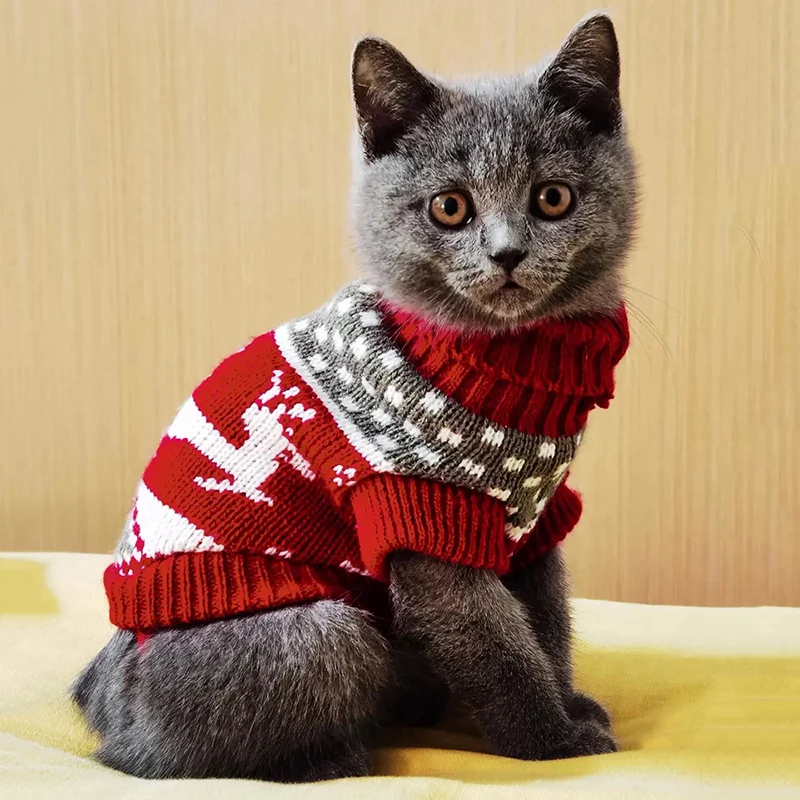

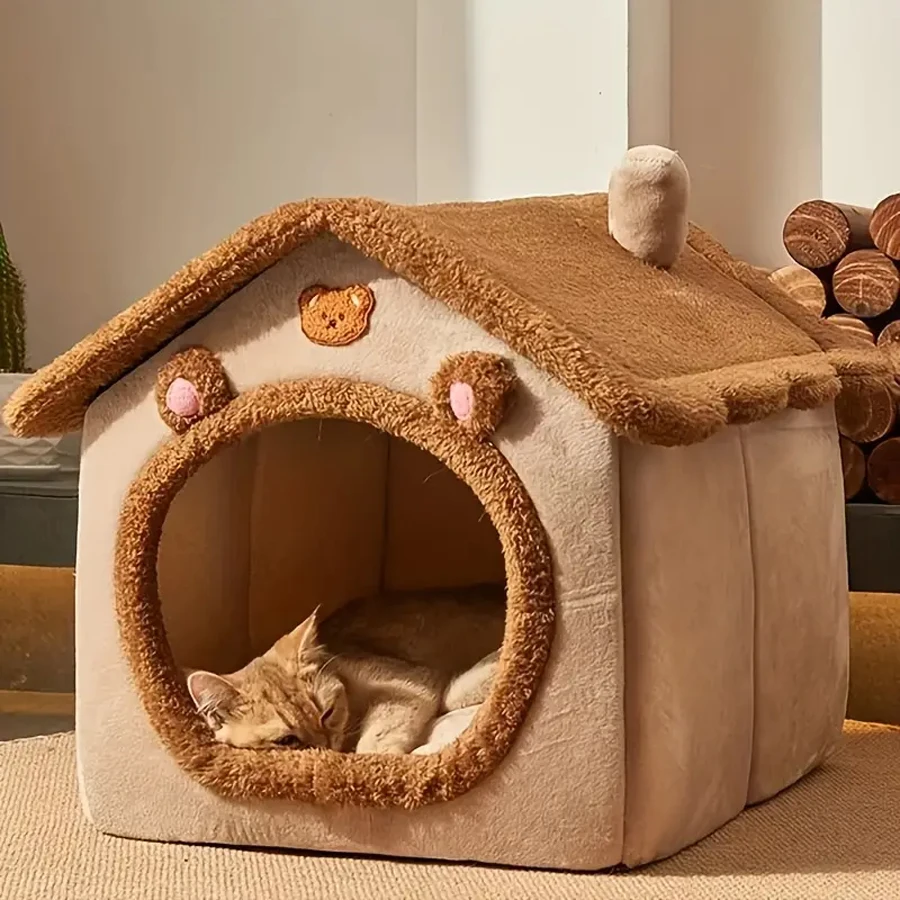




In an ever-evolving world where emotional intelligence is recognized as a key component of personal and professional success, cats have quietly emerged as unexpected mentors in nurturing this crucial skill. These enigmatic creatures, known for their aloof demeanor and independent nature, are teaching humans profound lessons in empathy, self-awareness, and interpersonal relationships. While dogs are often celebrated for their emotional expressiveness, the subtle complexities of a cat’s behavior offer a different, yet equally valuable, perspective on emotional intelligence.
Cats, with their keen sensitivity to their surroundings, have an innate ability to read human emotions. They often respond to subtle cues that may go unnoticed by others, offering comfort when needed and space when solitude is required. This ability to discern and respond to emotional states, without verbal communication, is a cornerstone of empathy. Observing a cat’s interactions can inspire humans to become more attuned to non-verbal signals in their own relationships, fostering a deeper understanding of others’ needs and emotions.
Moreover, the relationship between cats and their human companions often requires a level of patience and understanding that can enhance self-regulation, another critical component of emotional intelligence. Cats are creatures of habit and can be resistant to change. This aspect of their nature can challenge their owners to manage their expectations and adapt their behaviors, promoting personal growth and emotional resilience.
The presence of a cat in a household also encourages a greater sense of social responsibility and altruism. Cats rely on their humans for care and attention, and this dependency can cultivate a sense of duty and compassion. Engaging in the daily routines of feeding, grooming, and playing with a cat can instill a nurturing mindset, reinforcing the importance of caring for others.
Furthermore, the enigmatic nature of cats often prompts introspection and self-awareness. Their mysterious behavior can lead humans to reflect on their own actions and emotions, fostering a deeper understanding of themselves. This self-awareness is pivotal in enhancing emotional intelligence, as it allows individuals to recognize their own emotional triggers and manage their reactions more effectively.
In recent years, researchers have begun to explore the impact of pets on human emotional development, with studies increasingly highlighting the role of cats in promoting emotional well-being and empathy. Animal-assisted therapy, traditionally dominated by canine companions, is now expanding to include feline friends, particularly in settings where emotional healing and support are required.
The lessons imparted by our feline companions extend beyond the confines of individual households. In workplaces, educational institutions, and community spaces, the principles of empathy and understanding that cats exemplify can be instrumental in building harmonious environments. By observing and emulating the emotional intelligence displayed by cats, humans can foster more compassionate and collaborative interactions, ultimately contributing to a more empathetic society.
As we continue to navigate the complexities of human emotions, the subtle guidance of cats serves as a reminder of the power of empathy and understanding. Their presence challenges us to look beyond the surface, to connect more deeply with those around us, and to cultivate emotional intelligence in ways that enrich our lives and the lives of others. In this journey, the humble cat remains a steadfast companion, quietly imparting wisdom through its timeless and inscrutable ways.

4 thoughts on “The Feline Innovators of Emotional Intelligence: Cats and Their Subtle Guidance in Understanding Empathy”
This insightful post highlights how cats can enhance our emotional growth and empathy in wonderful ways.
I appreciate your perspective on the article. It’s interesting to see how cats can subtly influence our emotional development and empathy. Their unique behaviors certainly offer valuable insights into understanding and connecting with others.
It’s intriguing to consider how cats, with their distinct behaviors, can offer us lessons in emotional development and empathy. Their ability to respond to non-verbal cues and their independent nature provide a different lens through which we can view interpersonal connections. Observing their interactions can indeed inspire us to become more attuned to the subtle signals in our relationships, potentially fostering a deeper understanding of those around us.
It’s fascinating to explore the unique insights cats provide into emotional development and empathy. Their sensitivity to non-verbal cues and independent nature truly offers a fresh perspective on how we connect with others. Observing their interactions can certainly encourage a more nuanced understanding of the subtle dynamics in our relationships.