
The Feline Innovators of Health Science: Cats and Their Intriguing Role in Medical Research
- 6 Comments
In the realm of medical research, cats have long held a mysterious yet impactful presence. While these agile creatures are most often associated with leisurely naps in sunlit spots or playful antics involving dangling strings, their contribution to health science is proving to be far from trivial.
Recent studies have highlighted the unique physiological traits of felines that are aiding scientists in understanding a myriad of human health conditions. Cats, for instance, have a remarkable ability to heal quickly from injuries, thanks to their rapid tissue repair mechanisms. This trait is drawing the attention of researchers who are exploring ways to enhance human wound healing processes. The feline’s rapid recovery is linked to their unique collagen structures and growth factors, making them an ideal model for studying regenerative medicine.
Beyond physical healing, cats are also contributing to neurological research. Scientists have discovered that certain breeds of cats possess genetic markers that parallel those found in human neurological disorders such as Alzheimer’s and epilepsy. By studying these markers, researchers are gaining insights into the progression of these conditions. This has opened up potential pathways for developing therapies that could mitigate the impact of such diseases in humans.
Moreover, the study of feline genomes is shedding light on genetic predispositions to various ailments. Cats have been found to share a significant portion of their genetic blueprint with humans, making them a valuable subject for genetic research. This genetic similarity has allowed scientists to use cats as a model for understanding hereditary diseases, thereby advancing personalized medicine approaches for human patients.
In the field of cardiology, cats are proving to be invaluable as well. The feline heart, while much smaller, operates in ways that are surprisingly similar to the human heart. This similarity is enabling researchers to conduct experiments that provide insights into heart disease and potential treatments, offering hope for the development of new cardiac therapies that may one day save countless human lives.
In addition to their direct contributions to medical research, cats also play an important role in the emotional well-being of patients. In hospitals and care facilities, therapy cats are becoming increasingly popular for their calming presence, which has been shown to reduce stress and anxiety levels in patients, improving overall recovery outcomes.
While it may seem surprising that our feline friends are making such significant contributions to health science, it is a testament to the complexity and adaptability of these creatures. As research continues to reveal the depths of their potential, the bond between cats and humans is poised to strengthen, underscoring the multifaceted role that cats play, not just as pets, but as partners in the quest for better health.
The ongoing exploration into the world of feline health science is opening new doors for medical breakthroughs, highlighting the profound and sometimes unexpected ways in which cats are influencing the future of medicine. As such, these enigmatic animals are not just companions in our homes; they are silent innovators, quietly contributing to the advancement of human health and well-being.
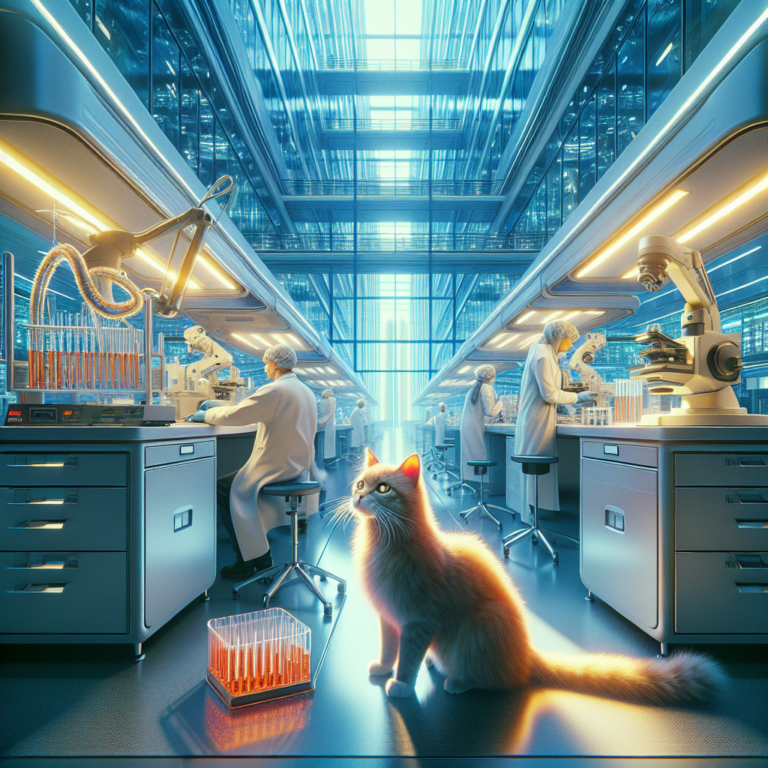








In the realm of medical research, cats have long held a mysterious yet impactful presence. While these agile creatures are most often associated with leisurely naps in sunlit spots or playful antics involving dangling strings, their contribution to health science is proving to be far from trivial.
Recent studies have highlighted the unique physiological traits of felines that are aiding scientists in understanding a myriad of human health conditions. Cats, for instance, have a remarkable ability to heal quickly from injuries, thanks to their rapid tissue repair mechanisms. This trait is drawing the attention of researchers who are exploring ways to enhance human wound healing processes. The feline’s rapid recovery is linked to their unique collagen structures and growth factors, making them an ideal model for studying regenerative medicine.
Beyond physical healing, cats are also contributing to neurological research. Scientists have discovered that certain breeds of cats possess genetic markers that parallel those found in human neurological disorders such as Alzheimer’s and epilepsy. By studying these markers, researchers are gaining insights into the progression of these conditions. This has opened up potential pathways for developing therapies that could mitigate the impact of such diseases in humans.
Moreover, the study of feline genomes is shedding light on genetic predispositions to various ailments. Cats have been found to share a significant portion of their genetic blueprint with humans, making them a valuable subject for genetic research. This genetic similarity has allowed scientists to use cats as a model for understanding hereditary diseases, thereby advancing personalized medicine approaches for human patients.
In the field of cardiology, cats are proving to be invaluable as well. The feline heart, while much smaller, operates in ways that are surprisingly similar to the human heart. This similarity is enabling researchers to conduct experiments that provide insights into heart disease and potential treatments, offering hope for the development of new cardiac therapies that may one day save countless human lives.
In addition to their direct contributions to medical research, cats also play an important role in the emotional well-being of patients. In hospitals and care facilities, therapy cats are becoming increasingly popular for their calming presence, which has been shown to reduce stress and anxiety levels in patients, improving overall recovery outcomes.
While it may seem surprising that our feline friends are making such significant contributions to health science, it is a testament to the complexity and adaptability of these creatures. As research continues to reveal the depths of their potential, the bond between cats and humans is poised to strengthen, underscoring the multifaceted role that cats play, not just as pets, but as partners in the quest for better health.
The ongoing exploration into the world of feline health science is opening new doors for medical breakthroughs, highlighting the profound and sometimes unexpected ways in which cats are influencing the future of medicine. As such, these enigmatic animals are not just companions in our homes; they are silent innovators, quietly contributing to the advancement of human health and well-being.

6 thoughts on “The Feline Innovators of Health Science: Cats and Their Intriguing Role in Medical Research”
This article provides an interesting perspective on how cats contribute to advancements in medical research.
This article provides an interesting overview of the ways cats are contributing to advancements in medical research and human health.
It’s interesting to see how the article outlines the various ways cats are involved in medical research, particularly in areas like regenerative medicine and neurology. The mention of their rapid tissue repair and genetic similarities to humans highlights their potential as valuable models for studying human health conditions. Additionally, the role of therapy cats in improving patient well-being adds another dimension to their contribution. This piece certainly opens up a broader perspective on how these animals are more than just pets, playing a part in advancing medical science.
While the article does highlight some intriguing aspects of cats in medical research, it’s important to note that the use of animals in research often raises ethical concerns. The potential benefits in regenerative medicine and neurology are promising, but these should be balanced with considerations of the welfare of the animals involved. Additionally, while therapy cats may improve patient well-being, the scientific evidence supporting their impact is still limited and requires more rigorous studies to validate these claims.
This article highlights the fascinating contributions cats are making to medical research, revealing their potential in advancing human health.
It’s great to see recognition of the unique role cats play in advancing medical research. Their contributions to understanding human health conditions are indeed intriguing and valuable.