
The Feline Innovators of History: Cats and Their Surprising Influence on Historical Events
- One Comment
In the grand tapestry of history, cats have often been relegated to the shadows, perceived merely as companions or pest controllers. Yet, a closer examination reveals that these enigmatic creatures have played a more significant role in shaping historical events than previously acknowledged. From ancient civilizations to modern times, cats have left an indelible mark on the course of human history, often in unexpected ways.
In ancient Egypt, cats were revered as sacred animals, embodying the qualities of grace and poise. The punishment for harming a cat in the Pharaonic era was severe, reflecting their esteemed status. The Egyptian goddess Bastet, often depicted with the head of a lioness or a domestic cat, symbolized home, fertility, and protection. This reverence influenced religious practices and societal norms, deeply embedding cats into the cultural and spiritual life of the ancient Egyptians. Cats were not only protectors of grain stores from rodents but also served as spiritual guardians, influencing the development of religious iconography and practices.
Moving forward in time, during the Middle Ages in Europe, cats faced a more perilous existence. Associated with witchcraft and superstition, they were often persecuted, particularly during times of social upheaval and fear. This persecution, however, had unintended consequences. The reduction in cat populations led to an increase in rodent infestations, which some historians suggest contributed to the spread of the Black Plague. This tragic period underscores the critical, albeit indirect, influence cats have had on population dynamics and public health crises.
In the realm of exploration, cats accompanied sailors on long voyages, serving as both pest controllers and morale boosters. Historical accounts from the Age of Exploration reveal that many ships, including those of Christopher Columbus and Captain Cook, carried cats on board. Their presence was crucial in safeguarding food supplies from rodents and providing companionship to sailors during months at sea. This role was not merely practical but also psychological, offering comfort and a semblance of normalcy in the often perilous and unpredictable life at sea.
Cats have also made their mark on political history. During the reign of Cardinal Richelieu, a key figure in French politics during the early 17th century, cats were not just pets but confidants. Richelieu is said to have kept several cats in his residence, and their presence reportedly offered him solace amidst the intrigue and tension of court life. The cardinal’s fondness for cats was so well-known that it influenced the perception of cats in French society, elevating their status among the elite and contributing to the cultural fabric of the time.
In more recent history, cats have continued to influence events, albeit in more subtle ways. During World War II, British Prime Minister Winston Churchill famously kept a cat named Nelson, who was said to provide comfort and calm during the tumultuous war years. Cats have also found their way into the annals of espionage, with reports of felines being used in various intelligence operations, highlighting their versatile and adaptable nature.
As we delve into the historical role of cats, it becomes apparent that their influence extends far beyond the domestic sphere. They have been silent witnesses and, at times, active participants in the unfolding of human history. From influencing religious practices and public health outcomes to playing roles in exploration and politics, cats have been unassuming yet significant players on the historical stage. Their contributions, though often overlooked, remind us of the profound interconnectedness between humans and the animal kingdom throughout the ages.
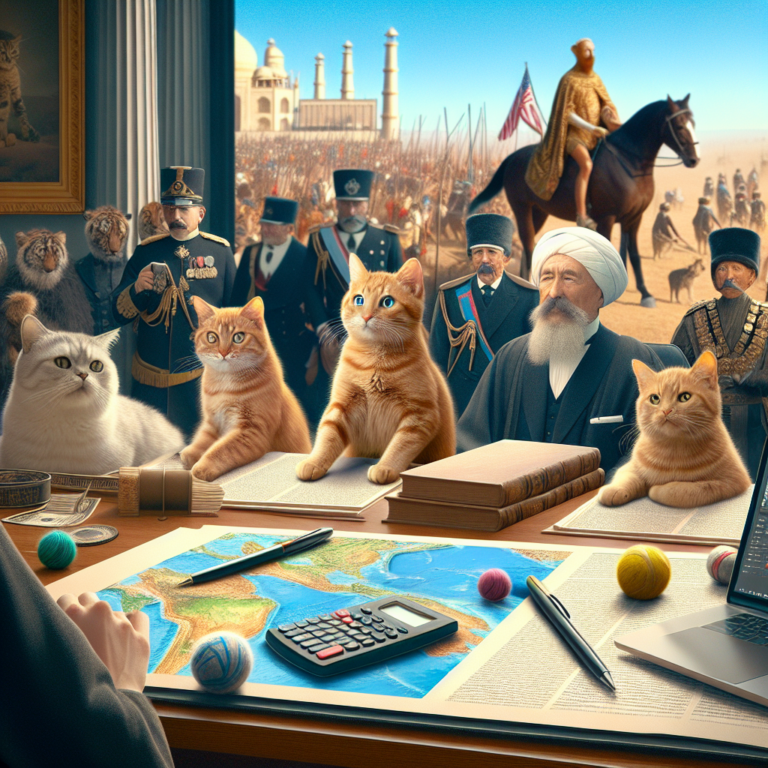








In the grand tapestry of history, cats have often been relegated to the shadows, perceived merely as companions or pest controllers. Yet, a closer examination reveals that these enigmatic creatures have played a more significant role in shaping historical events than previously acknowledged. From ancient civilizations to modern times, cats have left an indelible mark on the course of human history, often in unexpected ways.
In ancient Egypt, cats were revered as sacred animals, embodying the qualities of grace and poise. The punishment for harming a cat in the Pharaonic era was severe, reflecting their esteemed status. The Egyptian goddess Bastet, often depicted with the head of a lioness or a domestic cat, symbolized home, fertility, and protection. This reverence influenced religious practices and societal norms, deeply embedding cats into the cultural and spiritual life of the ancient Egyptians. Cats were not only protectors of grain stores from rodents but also served as spiritual guardians, influencing the development of religious iconography and practices.
Moving forward in time, during the Middle Ages in Europe, cats faced a more perilous existence. Associated with witchcraft and superstition, they were often persecuted, particularly during times of social upheaval and fear. This persecution, however, had unintended consequences. The reduction in cat populations led to an increase in rodent infestations, which some historians suggest contributed to the spread of the Black Plague. This tragic period underscores the critical, albeit indirect, influence cats have had on population dynamics and public health crises.
In the realm of exploration, cats accompanied sailors on long voyages, serving as both pest controllers and morale boosters. Historical accounts from the Age of Exploration reveal that many ships, including those of Christopher Columbus and Captain Cook, carried cats on board. Their presence was crucial in safeguarding food supplies from rodents and providing companionship to sailors during months at sea. This role was not merely practical but also psychological, offering comfort and a semblance of normalcy in the often perilous and unpredictable life at sea.
Cats have also made their mark on political history. During the reign of Cardinal Richelieu, a key figure in French politics during the early 17th century, cats were not just pets but confidants. Richelieu is said to have kept several cats in his residence, and their presence reportedly offered him solace amidst the intrigue and tension of court life. The cardinal’s fondness for cats was so well-known that it influenced the perception of cats in French society, elevating their status among the elite and contributing to the cultural fabric of the time.
In more recent history, cats have continued to influence events, albeit in more subtle ways. During World War II, British Prime Minister Winston Churchill famously kept a cat named Nelson, who was said to provide comfort and calm during the tumultuous war years. Cats have also found their way into the annals of espionage, with reports of felines being used in various intelligence operations, highlighting their versatile and adaptable nature.
As we delve into the historical role of cats, it becomes apparent that their influence extends far beyond the domestic sphere. They have been silent witnesses and, at times, active participants in the unfolding of human history. From influencing religious practices and public health outcomes to playing roles in exploration and politics, cats have been unassuming yet significant players on the historical stage. Their contributions, though often overlooked, remind us of the profound interconnectedness between humans and the animal kingdom throughout the ages.

1 thought on “The Feline Innovators of History: Cats and Their Surprising Influence on Historical Events”
This captivating exploration of cats’ roles in history highlights their unexpected contributions across various eras.