The Feline Innovators of Literature: Cats and Their Quiet Influence on the Written Word
- 3 Comments
In the vast realm of literature, where stories are spun and imagination knows no bounds, the subtle presence of cats has left an indelible mark. From ancient scriptures to contemporary bestsellers, these enigmatic creatures have not only been characters within stories but have also inspired writers across the ages to create some of the most memorable works in literary history.
The history of cats in literature can be traced back to ancient Egypt, where they were revered as sacred animals. Their divine status and mysterious aura have long captivated writers, and this fascination has continued to flourish through the centuries. In medieval Europe, cats frequently appeared in folklore and fairy tales, often portrayed as familiar spirits or witch’s companions. This duality of their nature—both revered and feared—provided a rich tapestry for authors to explore themes of duality and transformation, a trend that continues to this day.
Perhaps one of the most notable examples of feline influence in literature is Lewis Carroll’s “Alice’s Adventures in Wonderland.” The Cheshire Cat, with its enigmatic smile and ability to disappear at will, embodies the mysterious and mischievous nature of cats. The character has since become a symbol of wonder and whimsy, often cited as a quintessential representation of the unpredictable and surreal aspects of storytelling.
In the realm of poetry, cats have inspired some of the most poignant verses. T.S. Eliot’s “Old Possum’s Book of Practical Cats” is a prime example of how these creatures can evoke a range of emotions, from the whimsical to the profound. Eliot’s work celebrates the individuality and quirks of cats, qualities that resonate with readers and cat lovers alike. The collection’s enduring appeal led to its adaptation into the globally popular musical “Cats,” further cementing the feline influence in the arts.
Modern literature continues to be enriched by the presence of cats. Haruki Murakami, a renowned contemporary author, often includes cats in his novels as symbols of mystery and introspection. In “Kafka on the Shore,” cats serve as pivotal characters that drive the narrative forward, showcasing their ability to act as both guides and guardians in the metaphorical journey of self-discovery.
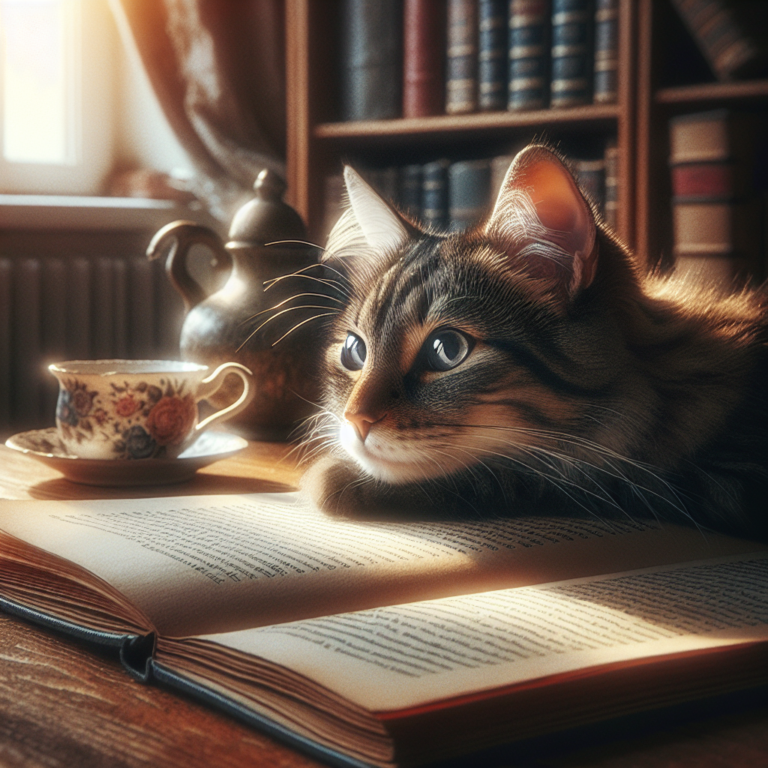
Beyond narrative roles, cats have also played a significant part in shaping the writing environment itself. Many authors have credited their feline companions with providing comfort and companionship during the often solitary process of writing. The quiet presence of a cat on a writer’s lap or a nearby windowsill can offer a sense of calm and inspiration, acting as muses that silently influence the creative process. This unique relationship between writers and their feline friends underscores the profound impact these animals have on the literary world.
In conclusion, the influence of cats on literature is as vast and varied as the stories they help inspire. Whether serving as characters within tales, symbols of deeper themes, or as quiet companions to authors, cats have cemented their place as integral figures in the literary landscape. Their presence reminds us of the power of the written word to capture the essence of mystery, beauty, and the ineffable qualities that make life—and literature—so enchanting. As long as there are stories to be told, it is certain that cats will continue to weave their way into the hearts and pages of writers and readers alike.







In the vast realm of literature, where stories are spun and imagination knows no bounds, the subtle presence of cats has left an indelible mark. From ancient scriptures to contemporary bestsellers, these enigmatic creatures have not only been characters within stories but have also inspired writers across the ages to create some of the most memorable works in literary history.
The history of cats in literature can be traced back to ancient Egypt, where they were revered as sacred animals. Their divine status and mysterious aura have long captivated writers, and this fascination has continued to flourish through the centuries. In medieval Europe, cats frequently appeared in folklore and fairy tales, often portrayed as familiar spirits or witch’s companions. This duality of their nature—both revered and feared—provided a rich tapestry for authors to explore themes of duality and transformation, a trend that continues to this day.
Perhaps one of the most notable examples of feline influence in literature is Lewis Carroll’s “Alice’s Adventures in Wonderland.” The Cheshire Cat, with its enigmatic smile and ability to disappear at will, embodies the mysterious and mischievous nature of cats. The character has since become a symbol of wonder and whimsy, often cited as a quintessential representation of the unpredictable and surreal aspects of storytelling.
In the realm of poetry, cats have inspired some of the most poignant verses. T.S. Eliot’s “Old Possum’s Book of Practical Cats” is a prime example of how these creatures can evoke a range of emotions, from the whimsical to the profound. Eliot’s work celebrates the individuality and quirks of cats, qualities that resonate with readers and cat lovers alike. The collection’s enduring appeal led to its adaptation into the globally popular musical “Cats,” further cementing the feline influence in the arts.
Modern literature continues to be enriched by the presence of cats. Haruki Murakami, a renowned contemporary author, often includes cats in his novels as symbols of mystery and introspection. In “Kafka on the Shore,” cats serve as pivotal characters that drive the narrative forward, showcasing their ability to act as both guides and guardians in the metaphorical journey of self-discovery.
Beyond narrative roles, cats have also played a significant part in shaping the writing environment itself. Many authors have credited their feline companions with providing comfort and companionship during the often solitary process of writing. The quiet presence of a cat on a writer’s lap or a nearby windowsill can offer a sense of calm and inspiration, acting as muses that silently influence the creative process. This unique relationship between writers and their feline friends underscores the profound impact these animals have on the literary world.
In conclusion, the influence of cats on literature is as vast and varied as the stories they help inspire. Whether serving as characters within tales, symbols of deeper themes, or as quiet companions to authors, cats have cemented their place as integral figures in the literary landscape. Their presence reminds us of the power of the written word to capture the essence of mystery, beauty, and the ineffable qualities that make life—and literature—so enchanting. As long as there are stories to be told, it is certain that cats will continue to weave their way into the hearts and pages of writers and readers alike.

3 thoughts on “The Feline Innovators of Literature: Cats and Their Quiet Influence on the Written Word”
What a delightful exploration of how these fascinating creatures have shaped storytelling across time!
This post beautifully highlights the intriguing role cats play in inspiring and shaping literary works.
This post beautifully highlights the unique and inspiring role cats have played in shaping literary creativity.