
The Feline Innovators of Maritime Exploration: Cats and Their Unseen Role in Naval Expeditions
- No Comments
In the annals of maritime history, cats have sailed silently alongside some of the most famous explorers and naval vessels, playing a pivotal yet understated role in the success and safety of sea voyages. While these feline adventurers may not have commanded the spotlight like their human counterparts, their contributions to the world of maritime exploration have been invaluable, often providing much-needed companionship and pest control in the challenging and isolated environment of a ship.
Historically, cats have been indispensable on ships as natural vermin hunters. The presence of rats and mice on board could spell disaster for sailors, as these rodents were notorious for chewing through ropes, contaminating food supplies, and spreading disease. Cats, with their keen hunting instincts, effectively kept these pest populations in check, ensuring that provisions remained secure and the ship’s structural integrity was maintained. This practical role was crucial during long voyages when resupply opportunities were scarce and any breach in stored food could lead to dire consequences for the crew.
Beyond their role as pest controllers, cats contributed to the morale of sailors, acting as cherished companions during long and often perilous journeys across uncharted waters. Sailors developed strong bonds with their feline shipmates, finding comfort in their presence amidst the isolation of the open sea. The companionship offered by these cats helped to alleviate the mental strains of extended voyages, fostering a sense of normalcy and warmth in an otherwise harsh and unpredictable environment.
The felines on board were often considered good luck charms, believed to possess an innate ability to predict weather changes and sense impending danger. Sailors observed their cats’ behavior closely, interpreting their actions as omens that could foretell storms or calm seas. This belief imbued ships with a sense of security, as having a cat on board was thought to protect the vessel and its crew from misfortune. In many cases, cats were even credited with saving ships from disaster by alerting sailors to shifts in weather or potential hazards.
Cats also played a less visible role in cultural exchange during maritime expeditions. As explorers traveled to new lands, they inadvertently introduced their feline companions to different parts of the world, leading to the spread of cat populations across the globe. These cats often adapted to new environments, contributing to the genetic diversity of local feline populations and influencing the development of new breeds. In some cases, the cats left behind by sailors became integral parts of the communities they encountered, further cementing the bond between humans and cats throughout history.
In contemporary times, the legacy of maritime cats continues to endure. Many modern naval vessels still maintain the tradition of having a ship’s cat, a nod to the historical importance of these animals in seafaring life. In addition, the stories of famous ship cats, such as Simon of the HMS Amethyst or Blackie of the HMS Prince of Wales, have become legendary, celebrated for their bravery and loyalty in the face of adversity.
As we look back on the epoch of maritime exploration, it is clear that cats played a crucial, albeit understated, role in the success of these ventures. Their presence on ships not only facilitated the practical aspects of naval expeditions but also enriched the lives of the sailors with whom they shared their journeys. These quiet companions of the sea remain unsung heroes of the maritime world, their legacy etched into the fabric of naval history.
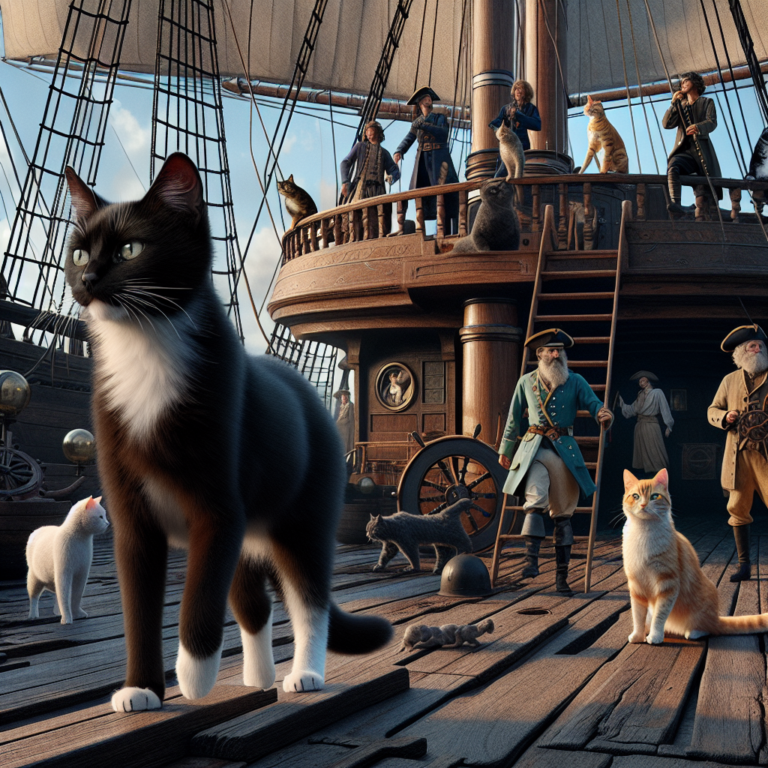








In the annals of maritime history, cats have sailed silently alongside some of the most famous explorers and naval vessels, playing a pivotal yet understated role in the success and safety of sea voyages. While these feline adventurers may not have commanded the spotlight like their human counterparts, their contributions to the world of maritime exploration have been invaluable, often providing much-needed companionship and pest control in the challenging and isolated environment of a ship.
Historically, cats have been indispensable on ships as natural vermin hunters. The presence of rats and mice on board could spell disaster for sailors, as these rodents were notorious for chewing through ropes, contaminating food supplies, and spreading disease. Cats, with their keen hunting instincts, effectively kept these pest populations in check, ensuring that provisions remained secure and the ship’s structural integrity was maintained. This practical role was crucial during long voyages when resupply opportunities were scarce and any breach in stored food could lead to dire consequences for the crew.
Beyond their role as pest controllers, cats contributed to the morale of sailors, acting as cherished companions during long and often perilous journeys across uncharted waters. Sailors developed strong bonds with their feline shipmates, finding comfort in their presence amidst the isolation of the open sea. The companionship offered by these cats helped to alleviate the mental strains of extended voyages, fostering a sense of normalcy and warmth in an otherwise harsh and unpredictable environment.
The felines on board were often considered good luck charms, believed to possess an innate ability to predict weather changes and sense impending danger. Sailors observed their cats’ behavior closely, interpreting their actions as omens that could foretell storms or calm seas. This belief imbued ships with a sense of security, as having a cat on board was thought to protect the vessel and its crew from misfortune. In many cases, cats were even credited with saving ships from disaster by alerting sailors to shifts in weather or potential hazards.
Cats also played a less visible role in cultural exchange during maritime expeditions. As explorers traveled to new lands, they inadvertently introduced their feline companions to different parts of the world, leading to the spread of cat populations across the globe. These cats often adapted to new environments, contributing to the genetic diversity of local feline populations and influencing the development of new breeds. In some cases, the cats left behind by sailors became integral parts of the communities they encountered, further cementing the bond between humans and cats throughout history.
In contemporary times, the legacy of maritime cats continues to endure. Many modern naval vessels still maintain the tradition of having a ship’s cat, a nod to the historical importance of these animals in seafaring life. In addition, the stories of famous ship cats, such as Simon of the HMS Amethyst or Blackie of the HMS Prince of Wales, have become legendary, celebrated for their bravery and loyalty in the face of adversity.
As we look back on the epoch of maritime exploration, it is clear that cats played a crucial, albeit understated, role in the success of these ventures. Their presence on ships not only facilitated the practical aspects of naval expeditions but also enriched the lives of the sailors with whom they shared their journeys. These quiet companions of the sea remain unsung heroes of the maritime world, their legacy etched into the fabric of naval history.