
The Feline Innovators of Sleep Science: Cats and Their Quiet Influence on Restful Nights
- One Comment
In the vibrant world of sleep science, where researchers delve deep into the mysteries of slumber, an unexpected player has emerged as a quiet but significant influencer – the domestic cat. While cats are often celebrated for their graceful agility and enigmatic charm, their role in the realm of sleep science is an intriguing area of study that continues to unfold.
Cats are renowned for their ability to sleep for extended periods, often up to 16 hours a day, and their sleep patterns have become a subject of fascination for researchers seeking to understand the complexities of human sleep. Unlike humans, cats are polyphasic sleepers, meaning they have multiple sleep-wake cycles within a 24-hour period. This unique sleep architecture has provided scientists with valuable insights into the flexibility and adaptability of sleep, challenging traditional notions that sleep must occur in one continuous block.
Moreover, cats’ ability to easily transition between deep sleep and alert wakefulness offers a natural model for studying sleep phases, particularly the elusive rapid eye movement (REM) sleep, a critical component of human sleep associated with dreaming and memory consolidation. Observations of cats during their REM cycles, characterized by twitching whiskers and flickering paws, have helped scientists draw parallels to human sleep, enhancing our understanding of how dreams occur and their potential functions.
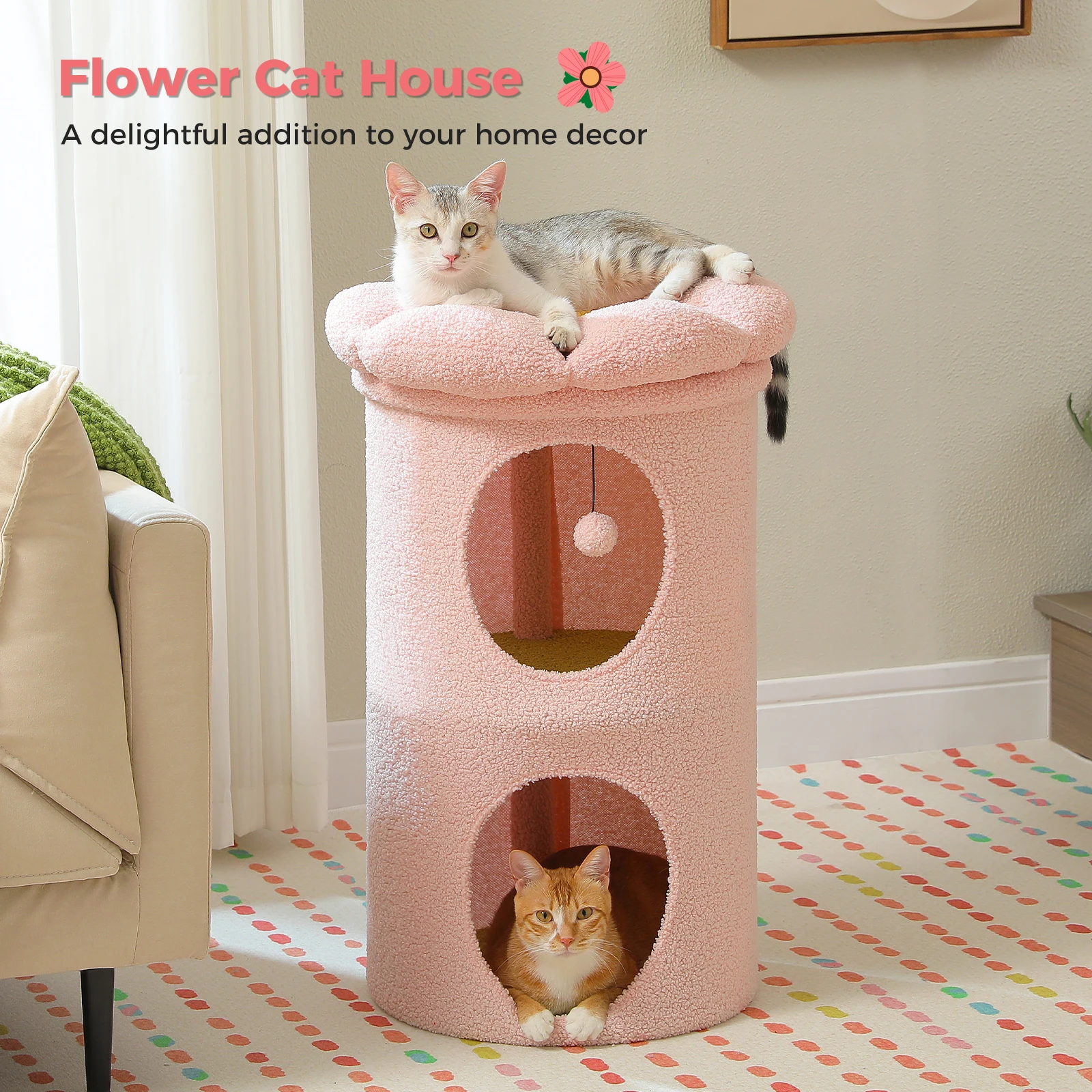
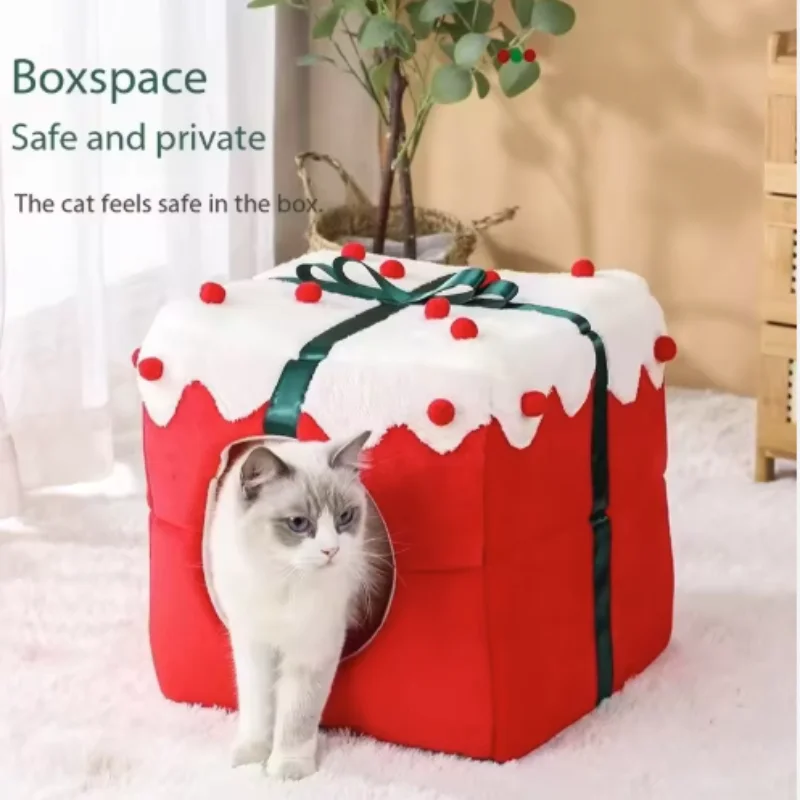
In addition to their sleep patterns, cats have also influenced the development of sleep aids and environments conducive to restful sleep. Their preference for warm, cozy, and secure spaces has inspired innovations in sleep technology, from weighted blankets mimicking the gentle pressure of a cat’s body to room designs that replicate the serene atmosphere of a cat’s napping nook. This has led to improved sleep quality for many individuals, helping them create an environment that fosters relaxation and tranquility.
On another fascinating front, the steady, rhythmic purring of a cat has been studied for its potential therapeutic effects on sleep. The low-frequency vibrations produced by purring have been associated with a soothing effect, promoting relaxation and reducing stress levels, which are crucial for achieving a restful night’s sleep. This has sparked interest in developing sound-based therapies and relaxation techniques that incorporate similar frequencies to aid in sleep induction and maintenance.
Cats’ nocturnal nature, which often aligns with the sleep disturbances faced by many individuals, has also informed research on sleep disorders. Their behavior during nighttime hours provides an organic model to study the impact of environmental factors and irregular sleep schedules on sleep quality, offering insights into the management of conditions like insomnia and sleep apnea.
As cat ownership continues to rise globally, the symbiotic relationship between humans and their feline companions is increasingly recognized for its potential to enhance sleep health. The presence of a cat in the household is often linked to reduced anxiety and stress, both of which are pivotal in achieving restorative sleep. The companionship and calming influence of a cat can help create a bedtime routine that promotes relaxation, serving as a natural sleep aid for those struggling with sleep-related issues.
In conclusion, while the role of cats in sleep science may seem understated, their influence is profound and continues to inspire new avenues of research and innovation. As we unlock more of the mysteries surrounding sleep, the humble cat remains a steadfast companion and an unlikely but invaluable ally in the quest for a good night’s rest.



In the vibrant world of sleep science, where researchers delve deep into the mysteries of slumber, an unexpected player has emerged as a quiet but significant influencer – the domestic cat. While cats are often celebrated for their graceful agility and enigmatic charm, their role in the realm of sleep science is an intriguing area of study that continues to unfold.
Cats are renowned for their ability to sleep for extended periods, often up to 16 hours a day, and their sleep patterns have become a subject of fascination for researchers seeking to understand the complexities of human sleep. Unlike humans, cats are polyphasic sleepers, meaning they have multiple sleep-wake cycles within a 24-hour period. This unique sleep architecture has provided scientists with valuable insights into the flexibility and adaptability of sleep, challenging traditional notions that sleep must occur in one continuous block.
Moreover, cats’ ability to easily transition between deep sleep and alert wakefulness offers a natural model for studying sleep phases, particularly the elusive rapid eye movement (REM) sleep, a critical component of human sleep associated with dreaming and memory consolidation. Observations of cats during their REM cycles, characterized by twitching whiskers and flickering paws, have helped scientists draw parallels to human sleep, enhancing our understanding of how dreams occur and their potential functions.
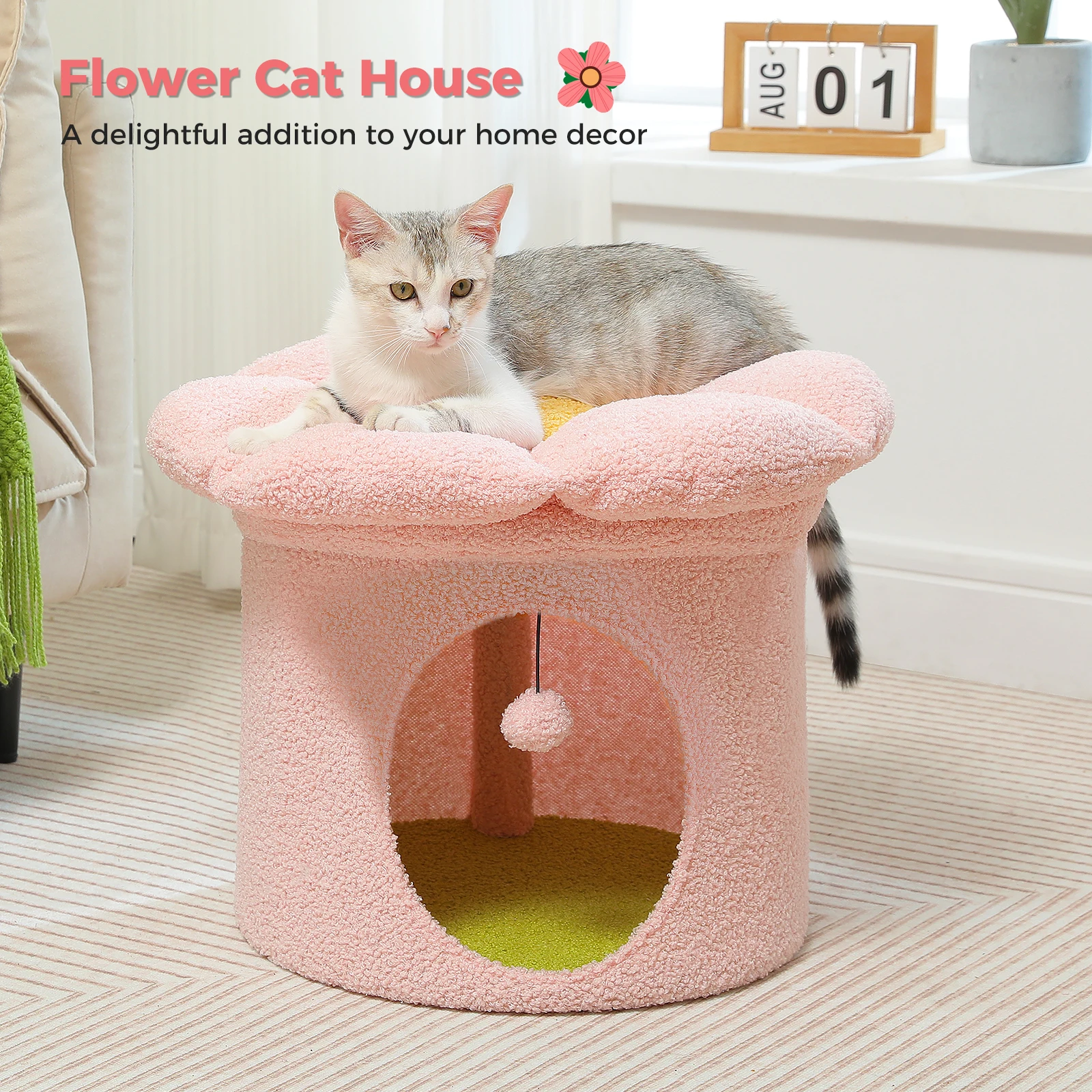
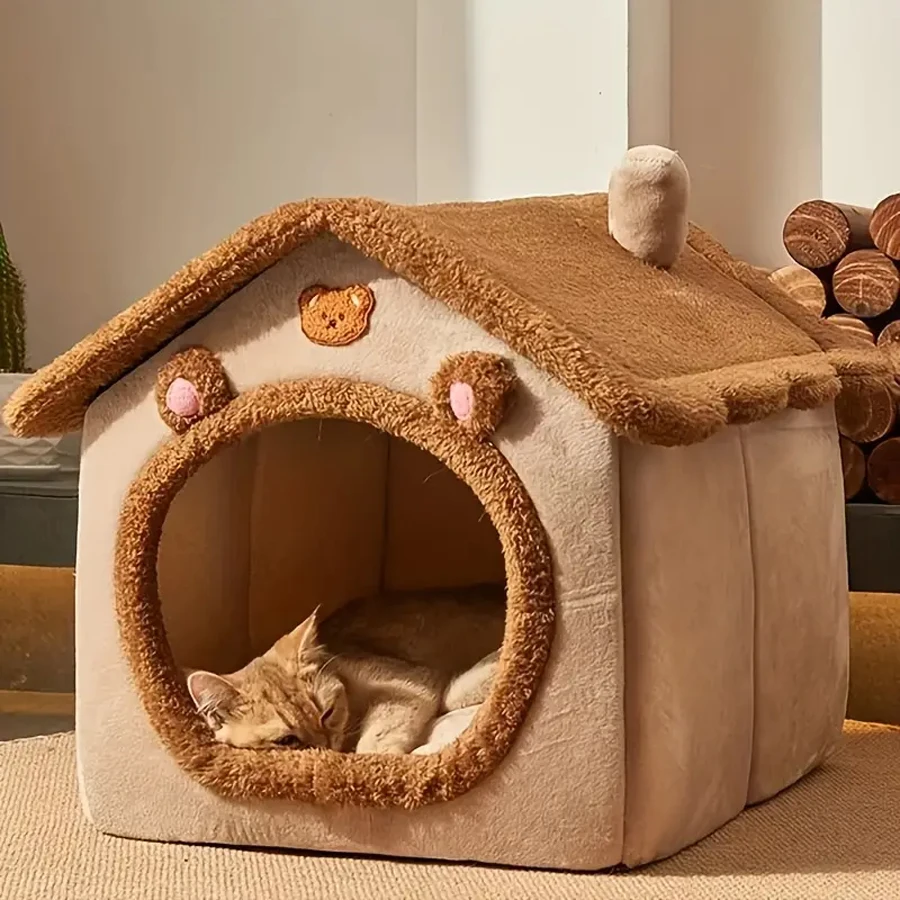
In addition to their sleep patterns, cats have also influenced the development of sleep aids and environments conducive to restful sleep. Their preference for warm, cozy, and secure spaces has inspired innovations in sleep technology, from weighted blankets mimicking the gentle pressure of a cat’s body to room designs that replicate the serene atmosphere of a cat’s napping nook. This has led to improved sleep quality for many individuals, helping them create an environment that fosters relaxation and tranquility.
On another fascinating front, the steady, rhythmic purring of a cat has been studied for its potential therapeutic effects on sleep. The low-frequency vibrations produced by purring have been associated with a soothing effect, promoting relaxation and reducing stress levels, which are crucial for achieving a restful night’s sleep. This has sparked interest in developing sound-based therapies and relaxation techniques that incorporate similar frequencies to aid in sleep induction and maintenance.
Cats’ nocturnal nature, which often aligns with the sleep disturbances faced by many individuals, has also informed research on sleep disorders. Their behavior during nighttime hours provides an organic model to study the impact of environmental factors and irregular sleep schedules on sleep quality, offering insights into the management of conditions like insomnia and sleep apnea.
As cat ownership continues to rise globally, the symbiotic relationship between humans and their feline companions is increasingly recognized for its potential to enhance sleep health. The presence of a cat in the household is often linked to reduced anxiety and stress, both of which are pivotal in achieving restorative sleep. The companionship and calming influence of a cat can help create a bedtime routine that promotes relaxation, serving as a natural sleep aid for those struggling with sleep-related issues.
In conclusion, while the role of cats in sleep science may seem understated, their influence is profound and continues to inspire new avenues of research and innovation. As we unlock more of the mysteries surrounding sleep, the humble cat remains a steadfast companion and an unlikely but invaluable ally in the quest for a good night’s rest.

1 thought on “The Feline Innovators of Sleep Science: Cats and Their Quiet Influence on Restful Nights”
What an intriguing exploration of how our feline friends contribute to the world of slumber research!