
The Feline Innovators of Technology: Cats and Their Surprising Influence on Tech Development
- One Comment
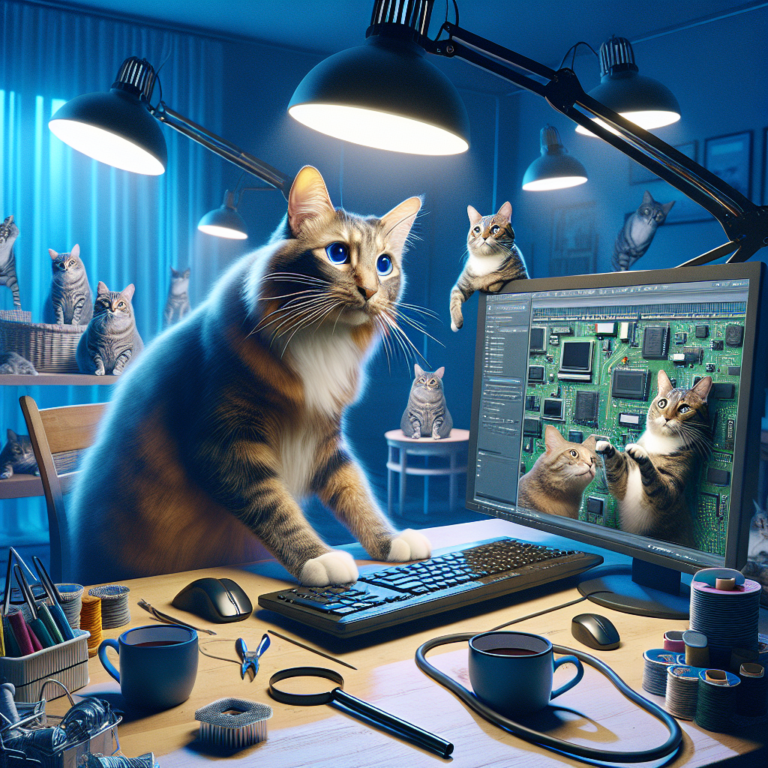
In the fast-paced world of technology, where innovation seems to be driven solely by human ingenuity, there lies an unexpected contributor: the domestic cat. These agile and curious creatures have been quietly influencing technological advancements in ways that are both surprising and profound. From the earliest days of computing to the latest innovations in artificial intelligence, cats have played an understated role in shaping the landscape of technology.
The influence of cats on technology dates back to the early days of computing. In the mid-20th century, when computers were the size of entire rooms, cats found their way into the computing labs of major universities. Their presence, though initially seen as a nuisance, soon revealed an unexpected benefit. Cats helped keep computing environments free of rodents, which could otherwise damage the delicate machinery. This unintentional service provided by cats ensured that early computers operated smoothly, setting the stage for the technological revolution that would follow.
As technology evolved, so did the role of cats within it. In the era of personal computing, cats became an internet sensation, their images and videos going viral and driving the development of platforms dedicated to user-generated content. Websites like YouTube and social media platforms owe much of their initial popularity to cat videos, which drew millions of users and demonstrated the power of user engagement. This phenomenon showcased the potential for online communities and content sharing, significantly influencing the development of digital platforms.
In recent years, the influence of cats has extended into the realm of artificial intelligence (AI) and machine learning. Researchers have found that training AI systems to recognize and categorize images of cats has become a standard benchmark in the development of image recognition technology. The distinct features of cats—their varied fur patterns, expressive eyes, and unique postures—make them ideal subjects for testing the capabilities of AI algorithms. This has led to improvements in the accuracy and efficiency of image recognition technologies used in diverse applications, from security systems to medical diagnostics.
Moreover, the presence of cats in tech environments has been linked to improved workplace culture and creativity. Tech companies, known for their innovative workspaces, have embraced the idea of pet-friendly offices, where cats roam freely. The calming presence of cats is believed to reduce stress, foster creativity, and encourage a sense of community among employees. This has influenced company policies and contributed to the development of work environments that prioritize employee well-being and innovation.
Cats have also left their mark on the design of technology products. The sleek and minimalist design of many tech gadgets is often compared to the elegance of a cat. The intuitive user interfaces of smartphones and tablets are said to have drawn inspiration from the graceful and instinctive movements of cats. This design philosophy has led to products that are not only functional but also aesthetically pleasing and easy to use.
In conclusion, while cats may not be the first creatures that come to mind when thinking of technological innovation, their subtle influence is undeniable. From maintaining the earliest computers to driving the popularity of digital platforms and shaping AI development, cats have played an unexpected but significant role in the evolution of technology. As we continue to advance into the digital age, it is likely that these feline innovators will continue to leave their mark on the world of technology, proving once again that innovation can come from the most unexpected sources.






In the fast-paced world of technology, where innovation seems to be driven solely by human ingenuity, there lies an unexpected contributor: the domestic cat. These agile and curious creatures have been quietly influencing technological advancements in ways that are both surprising and profound. From the earliest days of computing to the latest innovations in artificial intelligence, cats have played an understated role in shaping the landscape of technology.
The influence of cats on technology dates back to the early days of computing. In the mid-20th century, when computers were the size of entire rooms, cats found their way into the computing labs of major universities. Their presence, though initially seen as a nuisance, soon revealed an unexpected benefit. Cats helped keep computing environments free of rodents, which could otherwise damage the delicate machinery. This unintentional service provided by cats ensured that early computers operated smoothly, setting the stage for the technological revolution that would follow.
As technology evolved, so did the role of cats within it. In the era of personal computing, cats became an internet sensation, their images and videos going viral and driving the development of platforms dedicated to user-generated content. Websites like YouTube and social media platforms owe much of their initial popularity to cat videos, which drew millions of users and demonstrated the power of user engagement. This phenomenon showcased the potential for online communities and content sharing, significantly influencing the development of digital platforms.
In recent years, the influence of cats has extended into the realm of artificial intelligence (AI) and machine learning. Researchers have found that training AI systems to recognize and categorize images of cats has become a standard benchmark in the development of image recognition technology. The distinct features of cats—their varied fur patterns, expressive eyes, and unique postures—make them ideal subjects for testing the capabilities of AI algorithms. This has led to improvements in the accuracy and efficiency of image recognition technologies used in diverse applications, from security systems to medical diagnostics.
Moreover, the presence of cats in tech environments has been linked to improved workplace culture and creativity. Tech companies, known for their innovative workspaces, have embraced the idea of pet-friendly offices, where cats roam freely. The calming presence of cats is believed to reduce stress, foster creativity, and encourage a sense of community among employees. This has influenced company policies and contributed to the development of work environments that prioritize employee well-being and innovation.
Cats have also left their mark on the design of technology products. The sleek and minimalist design of many tech gadgets is often compared to the elegance of a cat. The intuitive user interfaces of smartphones and tablets are said to have drawn inspiration from the graceful and instinctive movements of cats. This design philosophy has led to products that are not only functional but also aesthetically pleasing and easy to use.
In conclusion, while cats may not be the first creatures that come to mind when thinking of technological innovation, their subtle influence is undeniable. From maintaining the earliest computers to driving the popularity of digital platforms and shaping AI development, cats have played an unexpected but significant role in the evolution of technology. As we continue to advance into the digital age, it is likely that these feline innovators will continue to leave their mark on the world of technology, proving once again that innovation can come from the most unexpected sources.

1 thought on “The Feline Innovators of Technology: Cats and Their Surprising Influence on Tech Development”
This intriguing exploration highlights how cats have quietly contributed to technological progress in unexpected ways.