The Feline Innovators of the Art World: Cats and Their Surprising Muse-Like Role in Artistic Expression
- 5 Comments
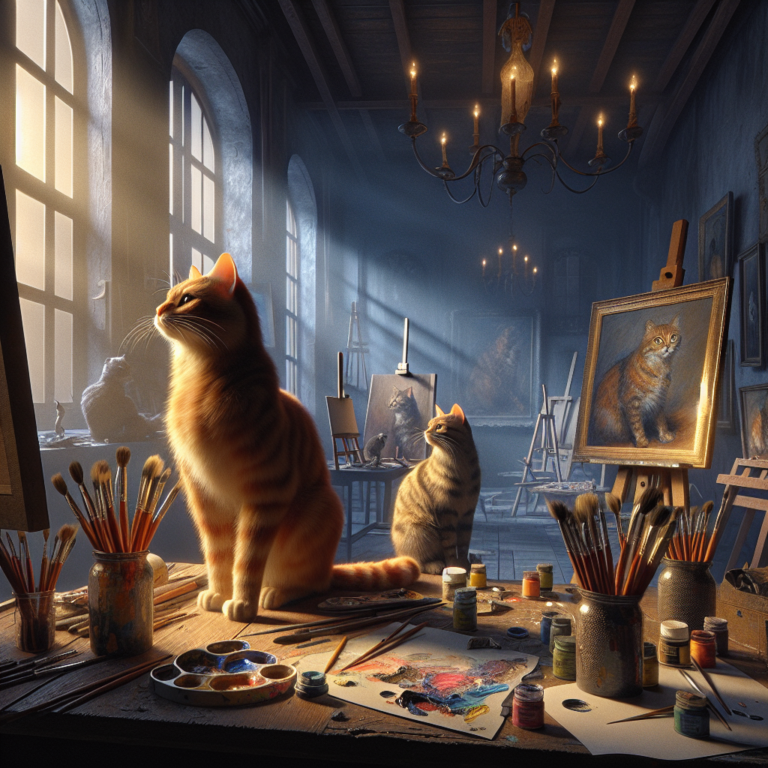
In the vast and vibrant canvas of the art world, where creativity and inspiration converge, an unexpected muse has quietly padded its way into the hearts of artists throughout the ages: the cat. These enigmatic creatures have been more than mere subjects; they have influenced the very essence of artistic expression in ways both subtle and profound. From the ancient Egyptians, who revered cats as divine beings, to modern-day artists who find solace and inspiration in their feline companions, cats have held a unique place in the realm of art.
The story of cats in art begins in antiquity, where they were frequently depicted in Egyptian tombs and temples. Their elegance and poise made them ideal subjects for the artisans of the time, who sought to capture the mystery and majesty of the natural world. As time progressed, cats found their way into the artworks of different cultures, from the delicate brushstrokes of Chinese ink paintings to the intricate detail of Persian miniatures. In each of these traditions, the presence of a cat often signified more than mere aesthetic appeal; it symbolized grace, independence, and even a touch of the mystical.
During the Renaissance, cats were immortalized in the works of renowned artists such as Leonardo da Vinci and Albrecht Dürer. Their presence in these masterpieces often served to highlight the domesticity and warmth of home life, a theme that resonated deeply with viewers. This era marked a shift in artistic perspective, as cats began to be appreciated not only for their beauty but also for their role as companions and symbols of the domestic sphere.
In the 19th century, cats became the darlings of Impressionist and Post-Impressionist painters. French artist Pierre-Auguste Renoir and his contemporaries frequently included cats in their compositions, emphasizing the interplay of light and shadow on their fur. This period saw a burgeoning fascination with capturing the essence of a moment, and cats, with their spontaneous and unpredictable nature, provided the perfect vehicle for this exploration.
The 20th century brought with it a new wave of artistic movements, from Surrealism to Modernism, each of which found its own way to incorporate the feline form. Salvador Dalí’s surreal landscapes occasionally featured cats, symbolizing the dreamlike and the bizarre. Meanwhile, the sleek, stylized forms of cats found their way into Art Deco designs, embodying the era’s penchant for elegance and sophistication.
In contemporary art, cats continue to inspire and challenge artists across mediums. They have become symbols of internet culture, their images proliferating across digital platforms and influencing a new generation of creators. Artists today draw upon the rich history of cats in art, blending traditional techniques with modern interpretations to create works that resonate with audiences worldwide.
The enduring legacy of cats in the art world is a testament to their unique ability to captivate and inspire. Whether as muses or metaphors, their influence spans cultures and centuries, reminding us of the profound connection between humans and the natural world. As artists continue to explore new frontiers in creativity, it is certain that cats will remain a beloved and enigmatic presence, their mysterious allure forever etched into the tapestry of artistic expression.
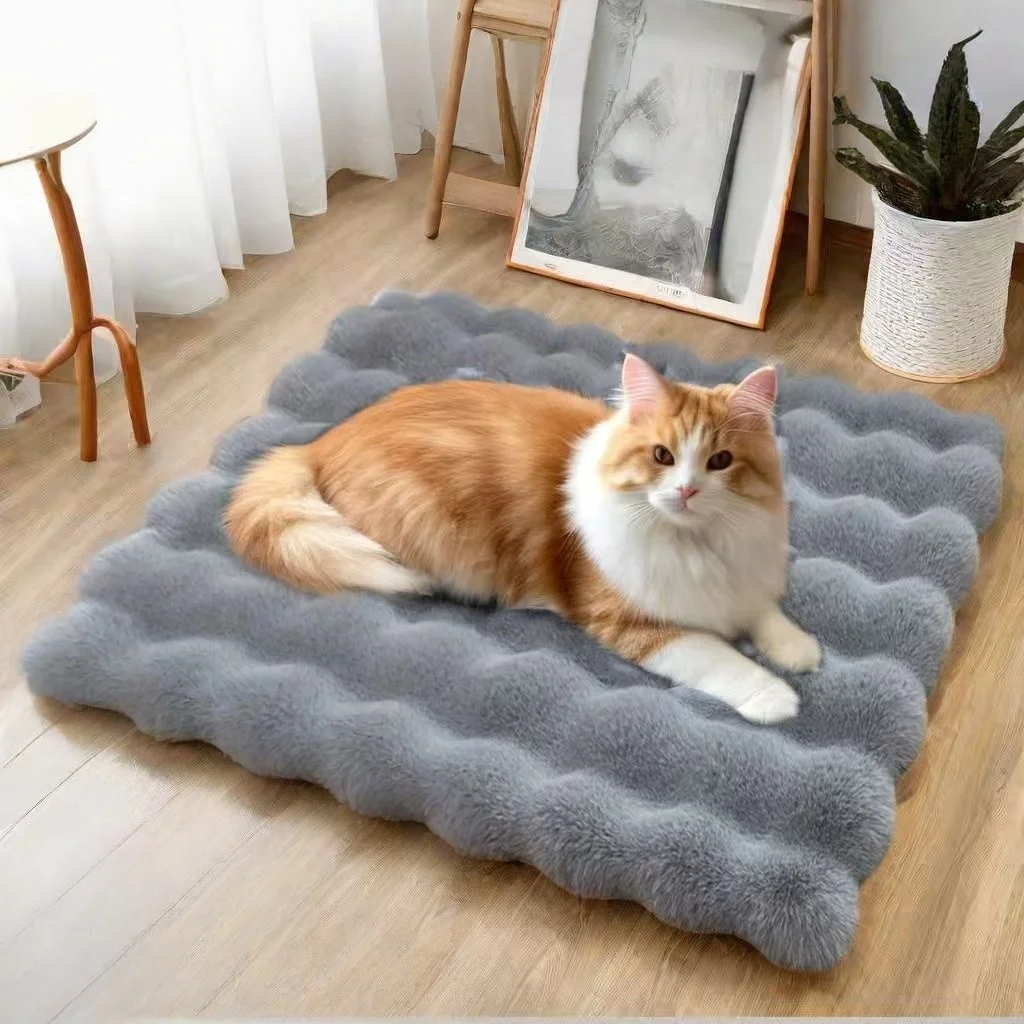
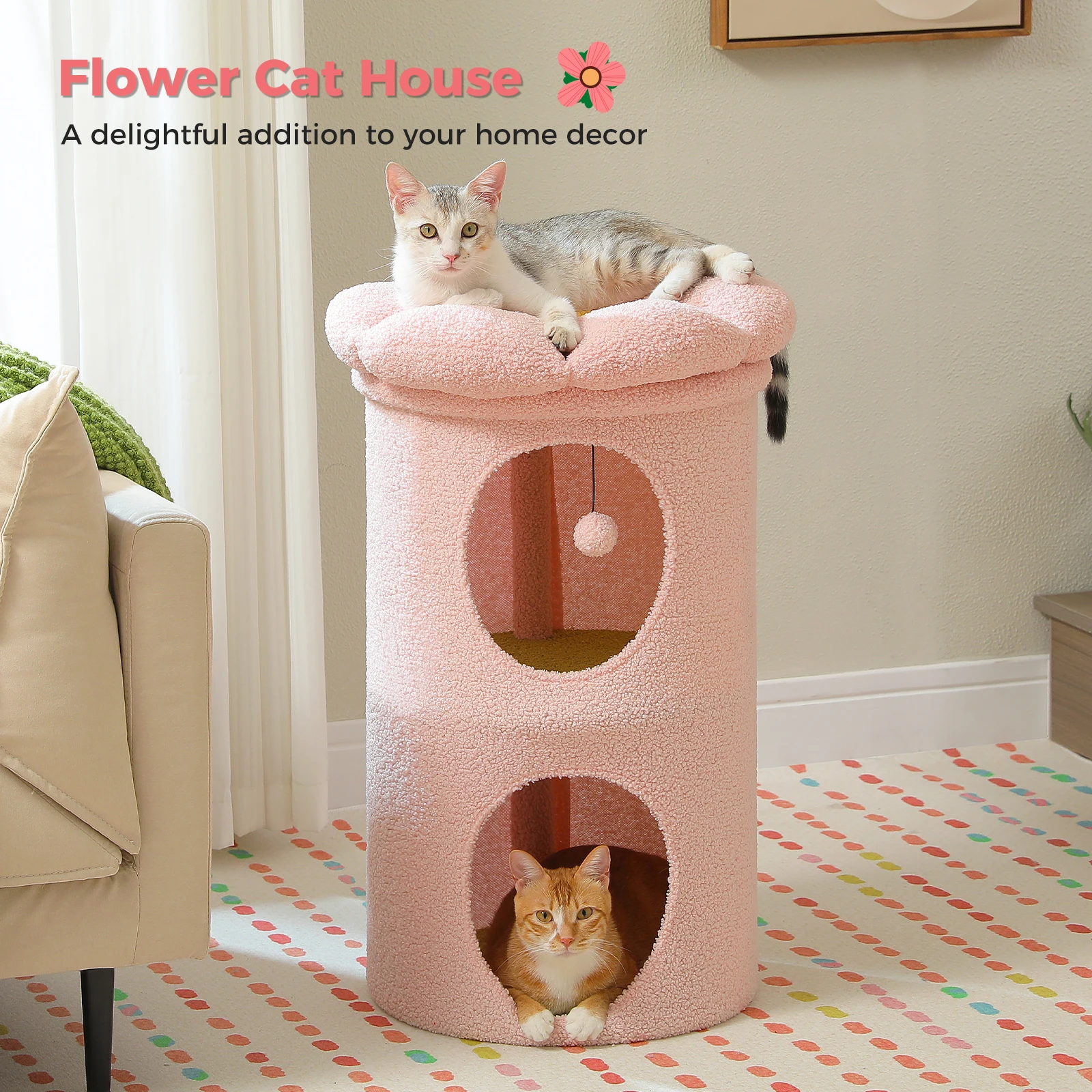

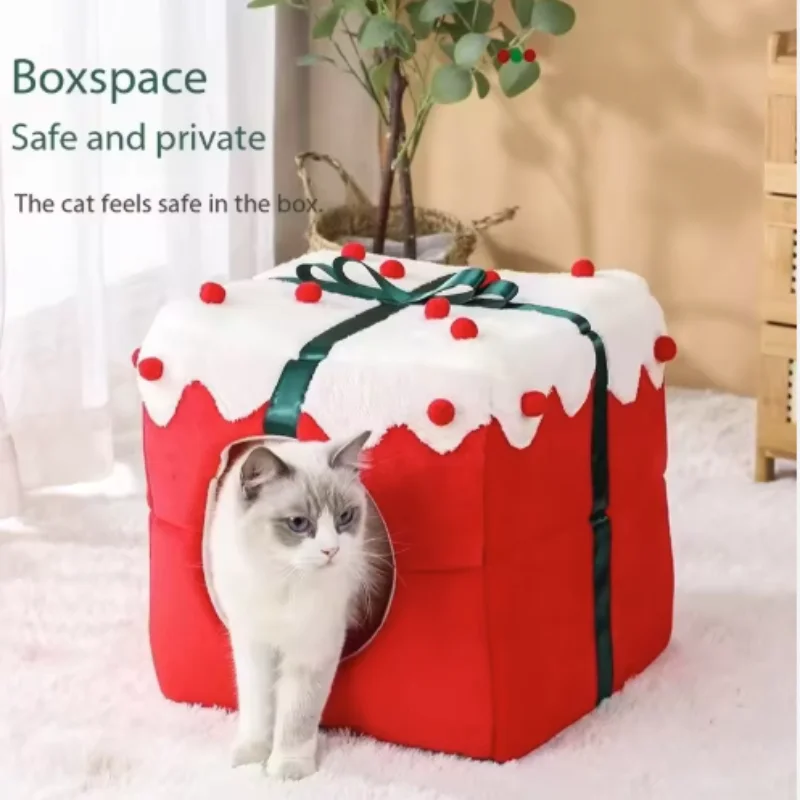
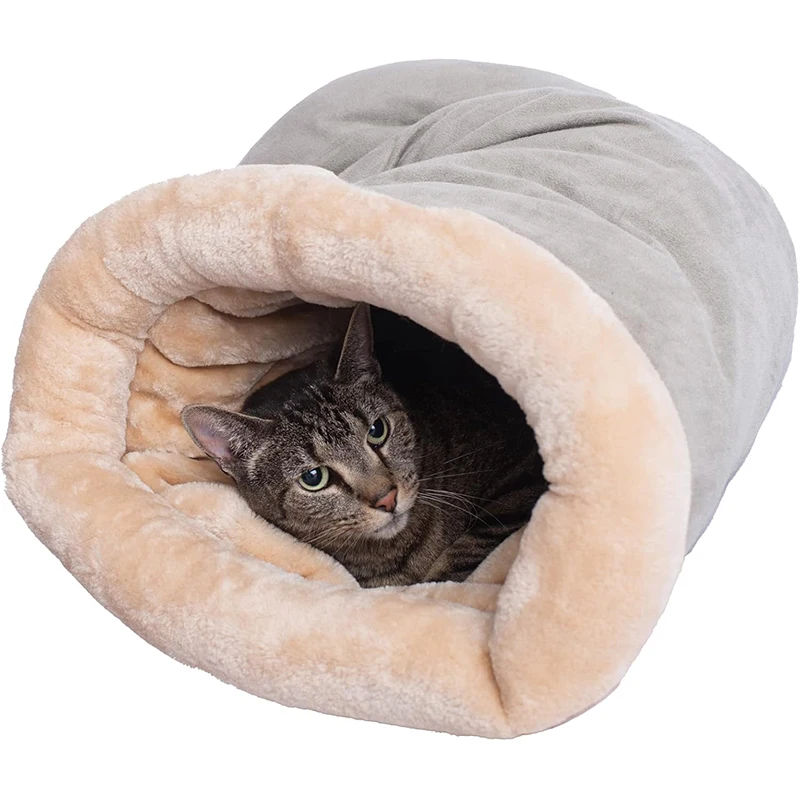

In the vast and vibrant canvas of the art world, where creativity and inspiration converge, an unexpected muse has quietly padded its way into the hearts of artists throughout the ages: the cat. These enigmatic creatures have been more than mere subjects; they have influenced the very essence of artistic expression in ways both subtle and profound. From the ancient Egyptians, who revered cats as divine beings, to modern-day artists who find solace and inspiration in their feline companions, cats have held a unique place in the realm of art.
The story of cats in art begins in antiquity, where they were frequently depicted in Egyptian tombs and temples. Their elegance and poise made them ideal subjects for the artisans of the time, who sought to capture the mystery and majesty of the natural world. As time progressed, cats found their way into the artworks of different cultures, from the delicate brushstrokes of Chinese ink paintings to the intricate detail of Persian miniatures. In each of these traditions, the presence of a cat often signified more than mere aesthetic appeal; it symbolized grace, independence, and even a touch of the mystical.
During the Renaissance, cats were immortalized in the works of renowned artists such as Leonardo da Vinci and Albrecht Dürer. Their presence in these masterpieces often served to highlight the domesticity and warmth of home life, a theme that resonated deeply with viewers. This era marked a shift in artistic perspective, as cats began to be appreciated not only for their beauty but also for their role as companions and symbols of the domestic sphere.
In the 19th century, cats became the darlings of Impressionist and Post-Impressionist painters. French artist Pierre-Auguste Renoir and his contemporaries frequently included cats in their compositions, emphasizing the interplay of light and shadow on their fur. This period saw a burgeoning fascination with capturing the essence of a moment, and cats, with their spontaneous and unpredictable nature, provided the perfect vehicle for this exploration.
The 20th century brought with it a new wave of artistic movements, from Surrealism to Modernism, each of which found its own way to incorporate the feline form. Salvador Dalí’s surreal landscapes occasionally featured cats, symbolizing the dreamlike and the bizarre. Meanwhile, the sleek, stylized forms of cats found their way into Art Deco designs, embodying the era’s penchant for elegance and sophistication.
In contemporary art, cats continue to inspire and challenge artists across mediums. They have become symbols of internet culture, their images proliferating across digital platforms and influencing a new generation of creators. Artists today draw upon the rich history of cats in art, blending traditional techniques with modern interpretations to create works that resonate with audiences worldwide.
The enduring legacy of cats in the art world is a testament to their unique ability to captivate and inspire. Whether as muses or metaphors, their influence spans cultures and centuries, reminding us of the profound connection between humans and the natural world. As artists continue to explore new frontiers in creativity, it is certain that cats will remain a beloved and enigmatic presence, their mysterious allure forever etched into the tapestry of artistic expression.

5 thoughts on “The Feline Innovators of the Art World: Cats and Their Surprising Muse-Like Role in Artistic Expression”
This insightful post beautifully highlights the inspiring role cats have played in shaping artistic expression through the ages.
This post beautifully highlights the timeless and inspiring relationship between cats and the world of art.
It’s wonderful to see the appreciation for the unique connection between cats and art. Their influence truly spans cultures and eras, adding a fascinating depth to artistic expression.
Absolutely, the relationship between cats and art is indeed captivating. Their presence across various cultures and time periods adds a rich layer to the history of artistic expression.
It’s intriguing to see how cats have consistently inspired artists across various cultures and eras, highlighting their timeless impact on creativity.