
The Feline Innovators of Veterinary Science: Cats and Their Subtle Role in Advancing Animal Healthcare
- 2 Comments
In the ever-evolving world of veterinary science, cats have quietly asserted themselves as pivotal contributors to advancements in animal healthcare. While dogs have traditionally dominated research due to their cooperative nature, felines are now emerging as critical subjects in studies that seek to unravel the complexities of animal health. This shift is prompting a reconsideration of how we approach veterinary medicine, with cats at the center of several groundbreaking discoveries.
The enigmatic nature of cats has long posed challenges for veterinary professionals. However, the growing understanding of feline physiology and behavior is leading to more sophisticated and effective treatments. Researchers are now delving into feline-specific conditions, such as feline lower urinary tract disease (FLUTD) and hypertrophic cardiomyopathy (HCM), using cats as models to develop treatments that could benefit not only felines but other animals as well. These studies are shedding light on genetic predispositions and environmental factors that affect feline health, paving the way for more personalized and predictive approaches to veterinary care.
Innovations in diagnostic technology have also been influenced by feline needs. The development of non-invasive imaging techniques and advanced blood tests is largely driven by the necessity to minimize stress and discomfort in cats, who are notoriously averse to traditional veterinary procedures. These innovations are setting new standards for animal healthcare, benefiting a wide range of species by providing more accurate and less intrusive diagnostic options.
Moreover, cats have become central to the exploration of zoonotic diseases, which are diseases that can be transmitted from animals to humans. The study of conditions such as toxoplasmosis and cat scratch fever has led to a better understanding of how these diseases are transmitted and how they can be controlled. This research not only protects human health but also enhances the safety and well-being of pets.
The rise of cats as key figures in veterinary science is also fostering a new generation of veterinarians who are more attuned to feline needs. Veterinary schools are expanding their curricula to include more comprehensive feline medicine courses, ensuring that future veterinarians are equipped with the knowledge and skills necessary to address the unique challenges posed by cats. This shift is gradually changing the landscape of veterinary practice, making it more inclusive and adaptable to the needs of all pets.
Furthermore, the feline influence extends into the realm of veterinary pharmaceuticals. The development of feline-specific medications is on the rise, addressing issues such as pain management and chronic illnesses, which are prevalent in aging cat populations. Pharmaceutical companies are investing in research to create drugs that are tailored to the metabolic and behavioral characteristics of cats, ultimately improving their quality of life.
Cats are also contributing to the field of behavioral science, providing insights into the psychological aspects of animal care. Understanding feline behavior is essential for developing strategies to reduce stress in clinical settings and improve compliance with treatment plans. This research is helping veterinarians and pet owners alike to foster better relationships with their feline companions, emphasizing the importance of mental as well as physical health in comprehensive veterinary care.
In conclusion, the understated yet profound impact of cats on veterinary science is reshaping the field in numerous ways. By serving as both subjects and beneficiaries of research, cats are driving innovations that are enhancing the health and welfare of animals across the globe. As veterinary science continues to evolve, the contributions of these enigmatic creatures will undoubtedly play a crucial role in shaping the future of animal healthcare.
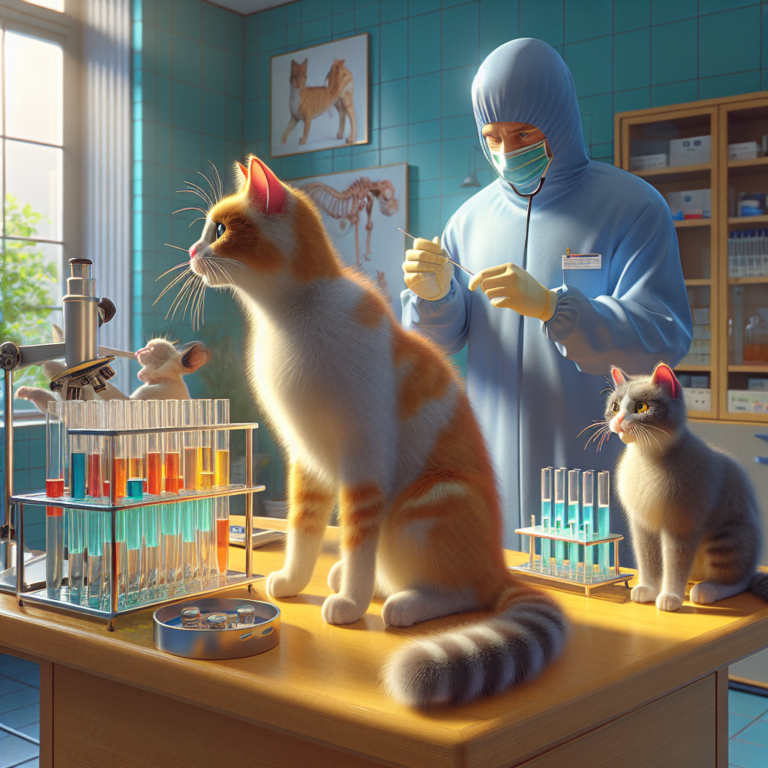








In the ever-evolving world of veterinary science, cats have quietly asserted themselves as pivotal contributors to advancements in animal healthcare. While dogs have traditionally dominated research due to their cooperative nature, felines are now emerging as critical subjects in studies that seek to unravel the complexities of animal health. This shift is prompting a reconsideration of how we approach veterinary medicine, with cats at the center of several groundbreaking discoveries.
The enigmatic nature of cats has long posed challenges for veterinary professionals. However, the growing understanding of feline physiology and behavior is leading to more sophisticated and effective treatments. Researchers are now delving into feline-specific conditions, such as feline lower urinary tract disease (FLUTD) and hypertrophic cardiomyopathy (HCM), using cats as models to develop treatments that could benefit not only felines but other animals as well. These studies are shedding light on genetic predispositions and environmental factors that affect feline health, paving the way for more personalized and predictive approaches to veterinary care.
Innovations in diagnostic technology have also been influenced by feline needs. The development of non-invasive imaging techniques and advanced blood tests is largely driven by the necessity to minimize stress and discomfort in cats, who are notoriously averse to traditional veterinary procedures. These innovations are setting new standards for animal healthcare, benefiting a wide range of species by providing more accurate and less intrusive diagnostic options.
Moreover, cats have become central to the exploration of zoonotic diseases, which are diseases that can be transmitted from animals to humans. The study of conditions such as toxoplasmosis and cat scratch fever has led to a better understanding of how these diseases are transmitted and how they can be controlled. This research not only protects human health but also enhances the safety and well-being of pets.
The rise of cats as key figures in veterinary science is also fostering a new generation of veterinarians who are more attuned to feline needs. Veterinary schools are expanding their curricula to include more comprehensive feline medicine courses, ensuring that future veterinarians are equipped with the knowledge and skills necessary to address the unique challenges posed by cats. This shift is gradually changing the landscape of veterinary practice, making it more inclusive and adaptable to the needs of all pets.
Furthermore, the feline influence extends into the realm of veterinary pharmaceuticals. The development of feline-specific medications is on the rise, addressing issues such as pain management and chronic illnesses, which are prevalent in aging cat populations. Pharmaceutical companies are investing in research to create drugs that are tailored to the metabolic and behavioral characteristics of cats, ultimately improving their quality of life.
Cats are also contributing to the field of behavioral science, providing insights into the psychological aspects of animal care. Understanding feline behavior is essential for developing strategies to reduce stress in clinical settings and improve compliance with treatment plans. This research is helping veterinarians and pet owners alike to foster better relationships with their feline companions, emphasizing the importance of mental as well as physical health in comprehensive veterinary care.
In conclusion, the understated yet profound impact of cats on veterinary science is reshaping the field in numerous ways. By serving as both subjects and beneficiaries of research, cats are driving innovations that are enhancing the health and welfare of animals across the globe. As veterinary science continues to evolve, the contributions of these enigmatic creatures will undoubtedly play a crucial role in shaping the future of animal healthcare.

2 thoughts on “The Feline Innovators of Veterinary Science: Cats and Their Subtle Role in Advancing Animal Healthcare”
While the article highlights cats’ contributions to veterinary science, it overlooks the continued dominance of canine research in driving major advancements in animal healthcare.
The article indeed highlights the growing role of cats in veterinary science, but it’s important to recognize that canine research continues to play a significant role in advancing animal healthcare. Dogs have been central to many studies due to their cooperative nature and long-standing relationship with humans, which has led to numerous breakthroughs in areas such as genetics, behavioral science, and disease management. While the article focuses on the emerging contributions of cats, it does not diminish the substantial impact of canine research. Both cats and dogs are making valuable contributions to the field, and the advancements in veterinary science are enriched by the diverse research involving multiple species.